Tracing How Tier Classifications Influence Adaptive Incentive Delivery in Multi-Game Digital Venues
Written by Katja Krüger · Aug 5, 2026
Tracing How Tier Classifications Influence Adaptive Incentive Delivery in Multi-Game Digital Venues
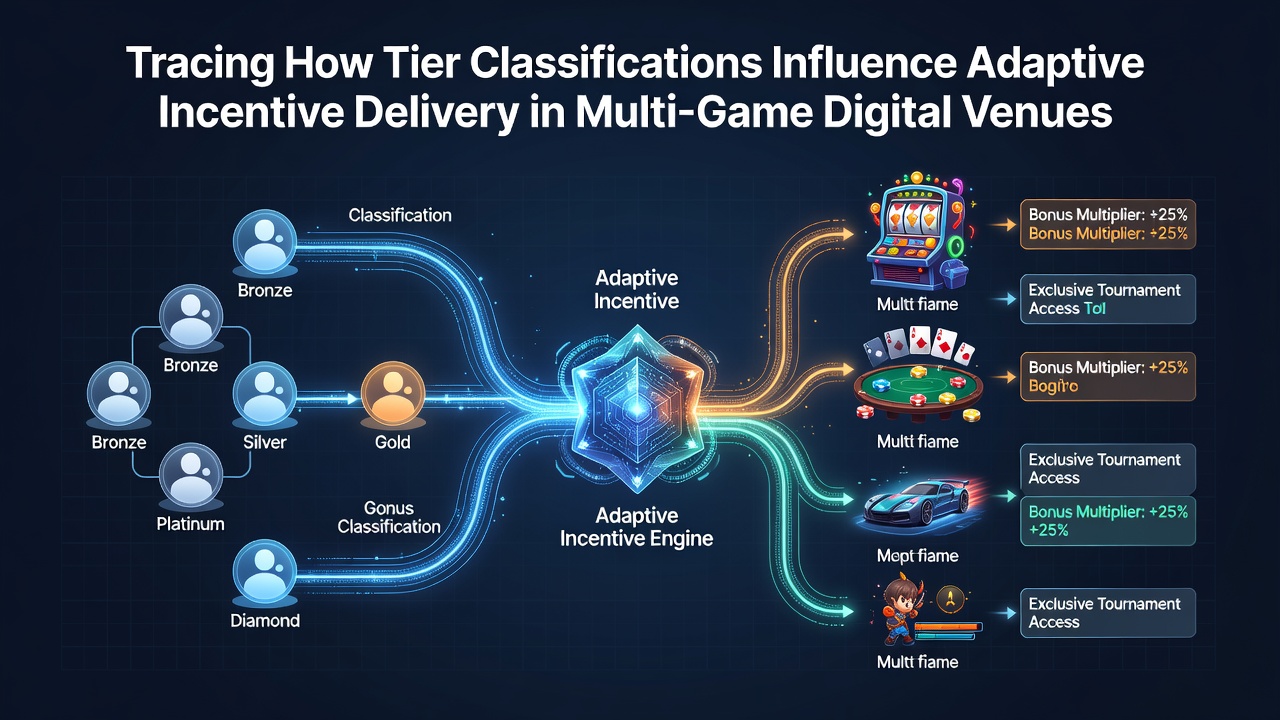
Digital casino platforms organize player accounts into tier classifications that range from entry-level to premium status based on cumulative wagering activity and session frequency. These tiers trigger adaptive incentive systems that adjust reward types and values in real time across slots, blackjack, and other table games. Operators track metrics such as total handle, game variety, and deposit patterns to assign tiers, then route those classifications into algorithms that generate targeted offers.
Tier Assignment Mechanisms in Multi-Game Environments
Classification engines pull data from multiple game categories simultaneously rather than isolating one vertical. A player who splits time between video slots and live dealer roulette accumulates points that feed into a single tier score, which then unlocks incentives calibrated for both formats. Data released in August 2026 by the Michigan Gaming Control Board showed that 68 percent of active accounts in regulated online markets held at least mid-tier status after six months of cross-game play.
Algorithms weigh recent activity more heavily than older history, so a sudden increase in table game volume can elevate a previously slot-dominant account within days. This dynamic adjustment supports incentive delivery that matches current behavior instead of relying on static historical profiles.
Adaptive Incentive Logic Across Game Types
Once a tier is set, the system maps it to incentive libraries that contain free spins, deposit matches, cashback rates, and tournament entries. Higher tiers receive offers with greater monetary value and lower wagering requirements, yet the exact mix still varies by game category. A gold-tier account might receive slot-specific free spins alongside reduced-rake invitations for poker, while a silver-tier account receives smaller deposit matches that apply across both categories.
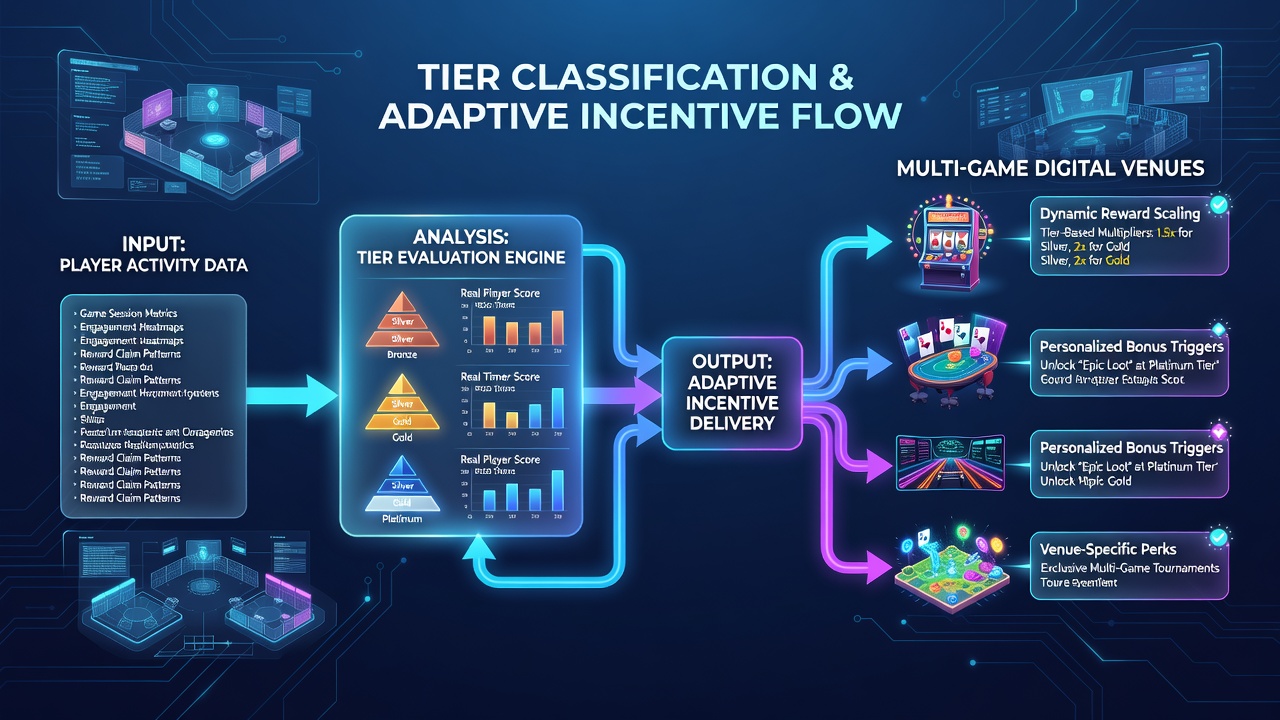
Operators integrate these rules through centralized customer relationship management platforms that push notifications and in-app banners at moments of peak engagement. Research from the Australian Gambling Research Centre indicates that incentive redemption rates climb when offers appear within thirty minutes of a tier-up event, regardless of the games played during that session.
Data Flows Supporting Real-Time Delivery
Event streams from slot reels and card tables converge in data lakes where classification models run hourly refreshes. These models feed tier values directly into the incentive engine, which then selects from pre-approved creative assets and compliance-checked terms. The process avoids manual intervention for the majority of accounts and instead relies on rule sets that update when regulatory thresholds change in each jurisdiction.
External reporting from the Canadian Gaming Association highlights that platforms using unified data pipelines across game types achieve 22 percent higher retention among mid-tier accounts compared with those that segment incentives by vertical alone. The same reports note that cross-game tiering reduces the time between classification change and offer delivery to under four hours in most cases.
Cross-Platform Considerations and Regulatory Context
Multi-state operators must reconcile tier data with varying state rules on bonus advertising and responsible gaming messaging. An account classified as platinum in one jurisdiction may receive different incentive language when the same player accesses the platform from another state. Compliance layers sit between the classification engine and the delivery channel to enforce these distinctions automatically.
Academic reviews from the University of Nevada, Reno Center for Gaming Research have documented how tier transparency affects player perception of fairness, with clearer communication of classification criteria correlating to steadier engagement patterns across both slots and table game offerings.
Conclusion
Tier classifications serve as the central variable that determines which adaptive incentives reach which accounts in multi-game digital venues. The flow from raw activity data through classification models to personalized reward delivery operates continuously, adjusting as player patterns shift between game types. Observers note that continued refinement of these systems depends on integrated data architecture and jurisdiction-specific compliance controls rather than isolated game vertical strategies.