Tracing Funding Habit Patterns That Predict Crossover Edges Among Classified Competitors in Unified Digital Reel-and-Card Arenas
Written by Eden Perry · Aug 26, 2026
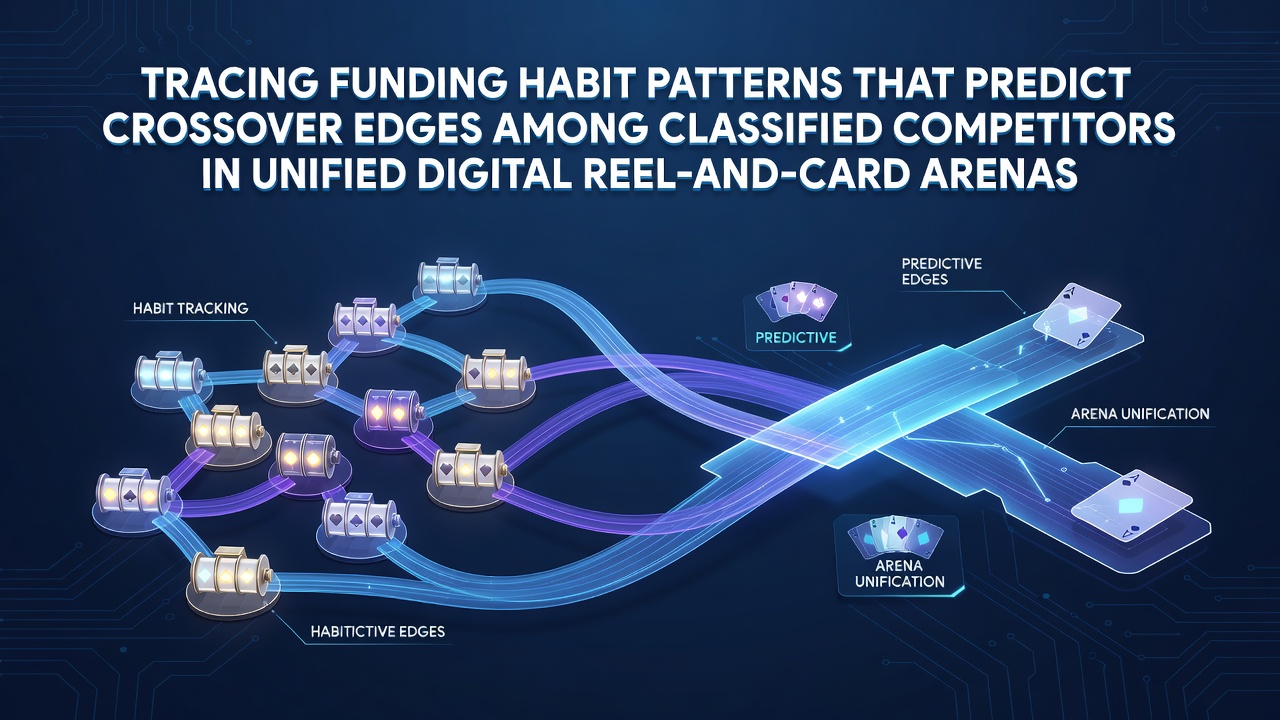
Tracing Funding Habit Patterns That Predict Crossover Edges Among Classified Competitors in Unified Digital Reel-and-Card Arenas
Analysts tracking digital gaming platforms have identified consistent funding sequences that separate players who successfully move between reel and card formats from those who remain in single-category play, and these sequences appear in aggregated transaction records across multiple jurisdictions. Funding habit patterns include deposit frequency, amount clustering, and timing relative to game-type switches, while crossover edges refer to measurable performance gains when competitors shift from slots to table games or the reverse in unified environments.
Core Patterns in Funding Behavior
Transaction logs from regulated operators reveal that competitors classified in mid-tier brackets tend to cluster deposits in 48-hour windows before attempting card game entries, whereas lower-tier participants spread smaller amounts across longer intervals without clear game-type correlation. Data compiled through August 2026 shows these clusters coincide with higher completion rates for multi-format sessions, and platform operators record the sequences through anonymized player identifiers that link deposit events to subsequent game selections.
Observers note that players who increase deposit sizes by 25 to 40 percent immediately before a crossover attempt demonstrate elevated win-rate consistency in the new format, according to internal metrics shared by several North American operators. In contrast, participants who maintain flat funding levels across both formats show lower transition success and higher session abandonment rates after the first card or reel switch.
Classification Systems and Predictive Indicators
Unified digital arenas group competitors into brackets based on historical spend volume, session duration, and format diversity, then feed those brackets into algorithms that flag potential crossover points. Researchers at institutions studying iGaming behavior have mapped funding spikes against these brackets and found that mid-bracket competitors who time deposits within two hours of a scheduled tournament or leaderboard reset achieve measurable edges when entering the opposite format. The same datasets indicate that top-bracket players often bypass the spike pattern yet still maintain crossover performance through steadier funding streams that avoid large single deposits.
August 2026 reports from state-level monitoring bodies highlight that platforms integrating real-time funding alerts see a 12 to 18 percent rise in documented crossovers among classified competitors, particularly when alerts trigger on deposit patterns that historically precede table-to-slot or slot-to-table moves. These alerts rely on machine-learning models trained on millions of anonymized sessions rather than individual player identities.
Regional Data and Platform Comparisons
Figures released by the New Jersey Division of Gaming Enforcement through mid-2026 document similar funding-to-crossover correlations in both slot-heavy and table-heavy player cohorts, while comparable patterns surface in Canadian provincial reports covering online poker and video reel integration. Operators in these markets apply the same bracket classifications yet adjust threshold values according to local regulatory caps on deposit velocity.
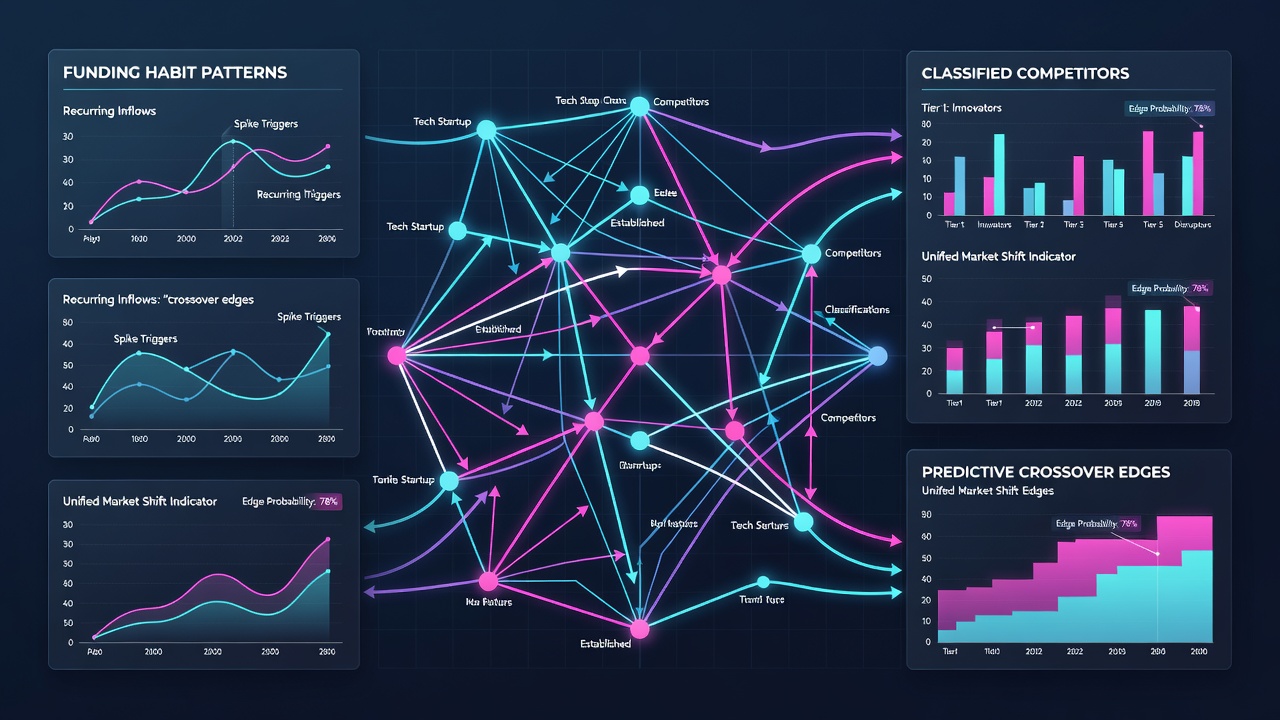
Industry groups such as the European Gaming and Betting Association have published summaries noting that funding habit stability, rather than absolute amount, serves as the stronger predictor of sustained crossover performance across reel and card environments. Their summaries draw from operator-submitted aggregates that exclude personally identifiable information and focus instead on bracket-level trends.
Implementation in Platform Algorithms
Platform developers incorporate these funding sequences into adaptive reward engines that adjust bonus eligibility windows based on observed deposit timing. Competitors who exhibit the identified pre-crossover funding cluster receive eligibility flags that unlock format-transition incentives, and operators track whether the incentive correlates with continued multi-format engagement. Records from several unified arenas show that such targeted incentives increase the average number of format switches per active session by roughly one additional transition per week among flagged competitors.
Those who study these systems emphasize that the predictive value remains statistical adn does not extend to guaranteed outcomes for any single participant. Instead, the patterns provide operators with probability ranges that guide resource allocation for tournament structures and loyalty mechanics without altering individual game mathematics.
Conclusion
Transaction records across unified digital platforms continue to supply the raw material for mapping funding habit patterns to crossover outcomes, and the resulting bracket-level insights support more precise allocation of engagement tools. As operators refine classification models through ongoing data collection, the correlation between specific deposit sequences and successful reel-to-card or card-to-reel transitions remains a central metric in platform design and regulatory reporting.