Tracing Competitor Classification Impacts on Strategic Decisions in Varied Wagering Landscapes Across Digital Platforms
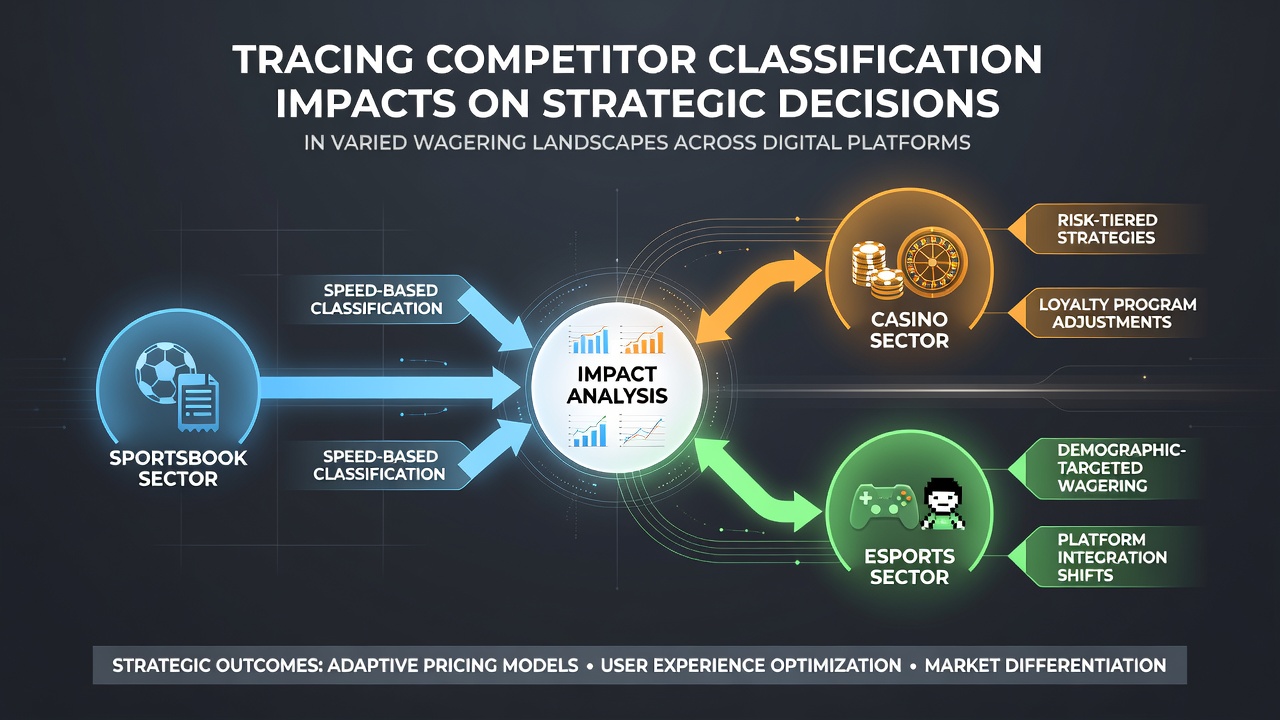
Competitor classification systems sort participants into tiers based on activity levels, spend patterns, and engagement metrics, which then shape how operators adjust promotions, game offerings, and risk controls across digital platforms. These frameworks operate in slots, table games, and sports betting environments simultaneously, with data streams feeding into decision engines that respond in real time. Reports covering activity through July 2026 show continued expansion of tiered models in regulated markets, where classification directly influences payout structures and bonus allocation logic.
Core Components of Classification Systems
Platforms track frequency of play, average bet size, session duration, and cross-game movement to assign labels such as high-volume, mid-tier, or occasional users. These labels feed algorithms that modify everything from deposit match offers to withdrawal processing speed. One study of integrated reel-and-card environments found that operators using multi-variable classification saw measurable shifts in player retention rates compared with single-metric approaches. The same datasets also revealed correlations between classification accuracy and reduced bonus abuse incidents.
Effects Across Different Wagering Environments
In slot-focused landscapes, classification drives the timing and size of free spin packages, while table game sections see adjustments to rake or commission structures based on the same player groupings. Sports betting modules apply classification data to set personalized odds boosts or parlay limits. Because these environments share backend user profiles, a player reclassified in one vertical experiences automatic updates in others without separate registration steps. Data from multi-state operators indicates that synchronized classification across verticals reduces redundant marketing spend while maintaining compliance with regional spending caps.
Strategic Adjustments in Mobile and Desktop Interfaces
Mobile applications prioritize push notifications tied to a user's current tier, whereas desktop interfaces surface longer-form loyalty dashboards. Operators adjust these interfaces after reviewing classification-driven heat maps that highlight which game types attract specific tiers during peak hours. When a mid-tier user begins migrating toward higher-volume table play, systems trigger tailored deposit incentives within the mobile app while desktop views emphasize session-length rewards. This cross-device coordination relies on persistent classification tags rather than device-specific rules.
Regulatory and Platform-Level Considerations
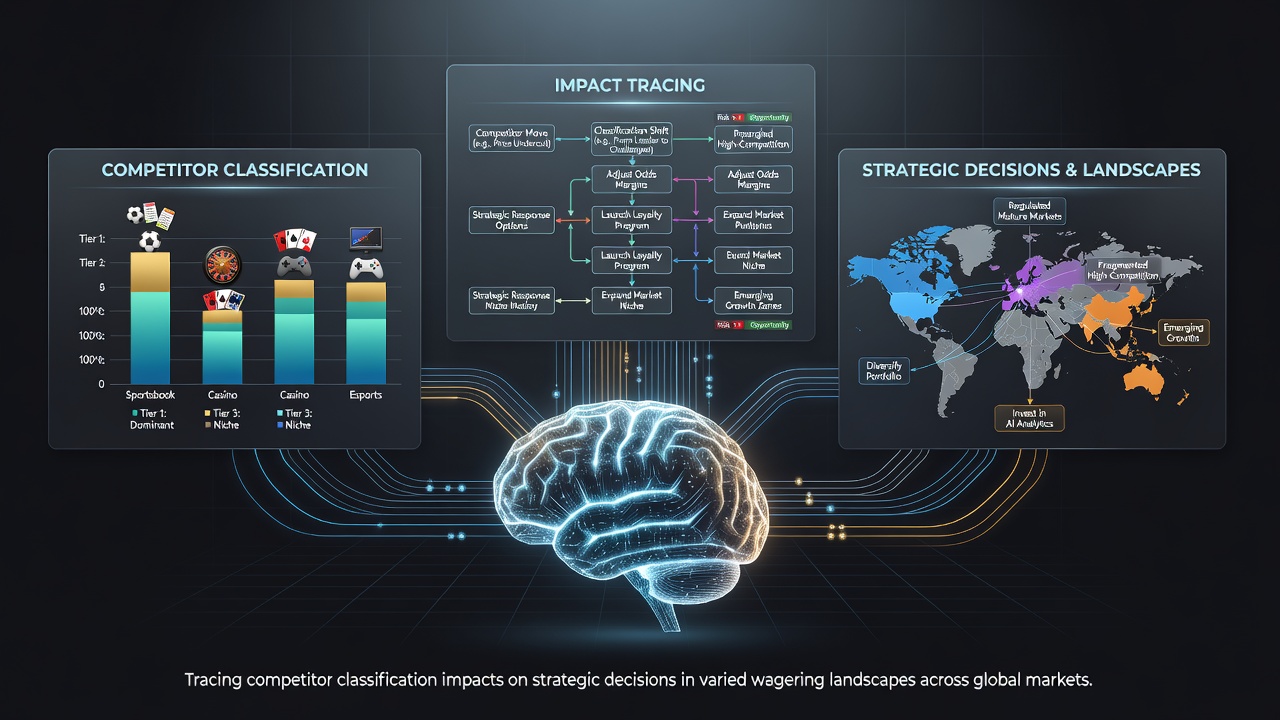
Classification practices intersect with requirements from bodies such as the American Gaming Association and provincial regulators in Canada, where operators must document how tier assignments affect responsible gaming interventions. Platforms operating in multiple jurisdictions maintain separate classification thresholds to align with local caps on bonuses and deposit limits. July 2026 filings from several multi-state operators showed expanded use of machine-learning models that refresh tier assignments daily rather than monthly, reducing lag between behavioral change and strategic response.
Cross-Platform Data Integration Patterns
Operators link classification outputs to payment processors and game suppliers so that high-tier users receive expedited verification while lower tiers encounter standard checks. This integration extends to affiliate tracking systems, where commission rates scale according to the classified value of referred players. Research from academic groups tracking digital gambling behavior indicates that tighter integration between classification engines and payment rails correlates with faster detection of unusual transaction clusters across state lines.
Conclusion
Competitor classification continues to serve as a central input for strategic decisions throughout digital wagering platforms, affecting promotional design, risk thresholds, and interface customization in coordinated ways. As July 2026 data streams become available, operators appear focused on refining classification granularity while maintaining compliance across varied regulatory landscapes. The resulting decision frameworks connect player groupings directly to operational adjustments without requiring separate manual intervention for each vertical.