Segmented Player Analytics Fueling Synchronized Incentive Strategies in Reel-and-Card Hybrid Platforms
Written by Taylor Beck · Jul 31, 2026
Segmented Player Analytics Fueling Synchronized Incentive Strategies in Reel-and-Card Hybrid Platforms
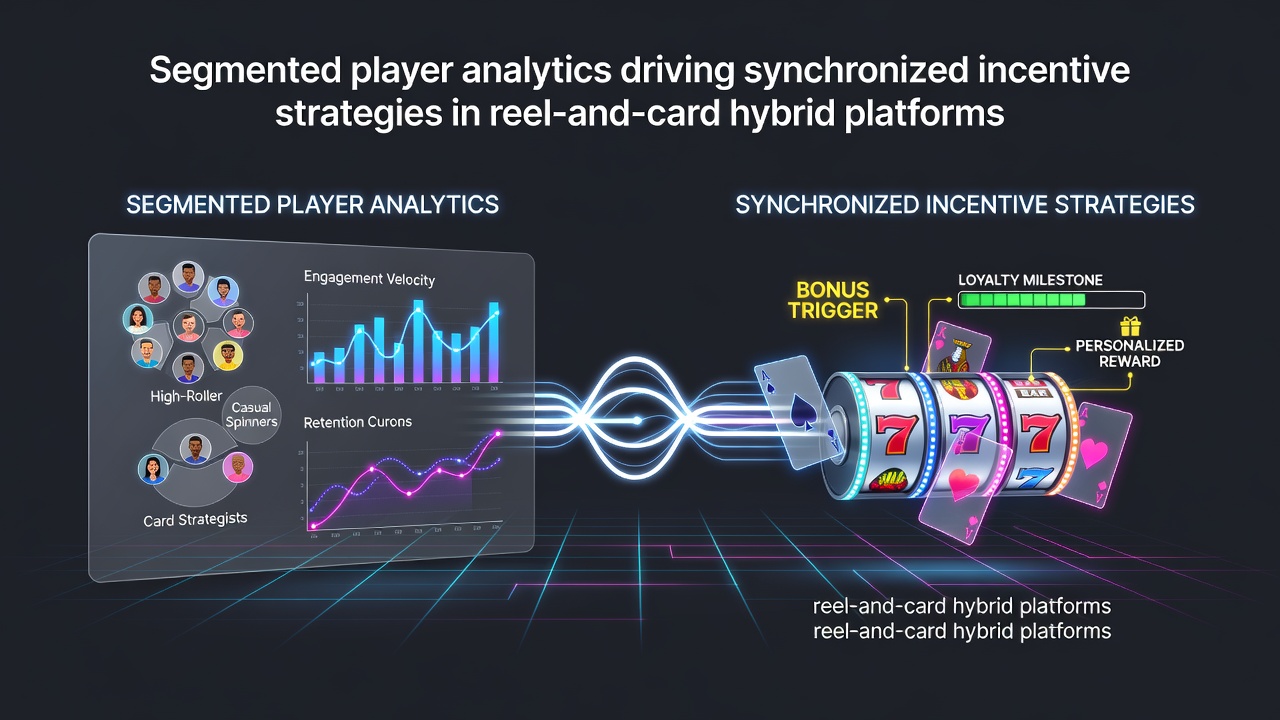
Hybrid gaming platforms that combine reel-based slots with card-driven table games have expanded their use of segmented player analytics to align incentive programs across both formats, and operators track distinct behavioral clusters to time rewards that encourage seamless transitions between game types. Data from multiple regulated markets shows that platforms segment users according to session length, bet frequency, game preference sequences, and response rates to prior promotions, which allows them to synchronize bonus triggers so that a player finishing a slot streak receives a table-game credit at the moment engagement metrics begin to drop.
Defining Player Segments in Hybrid Environments
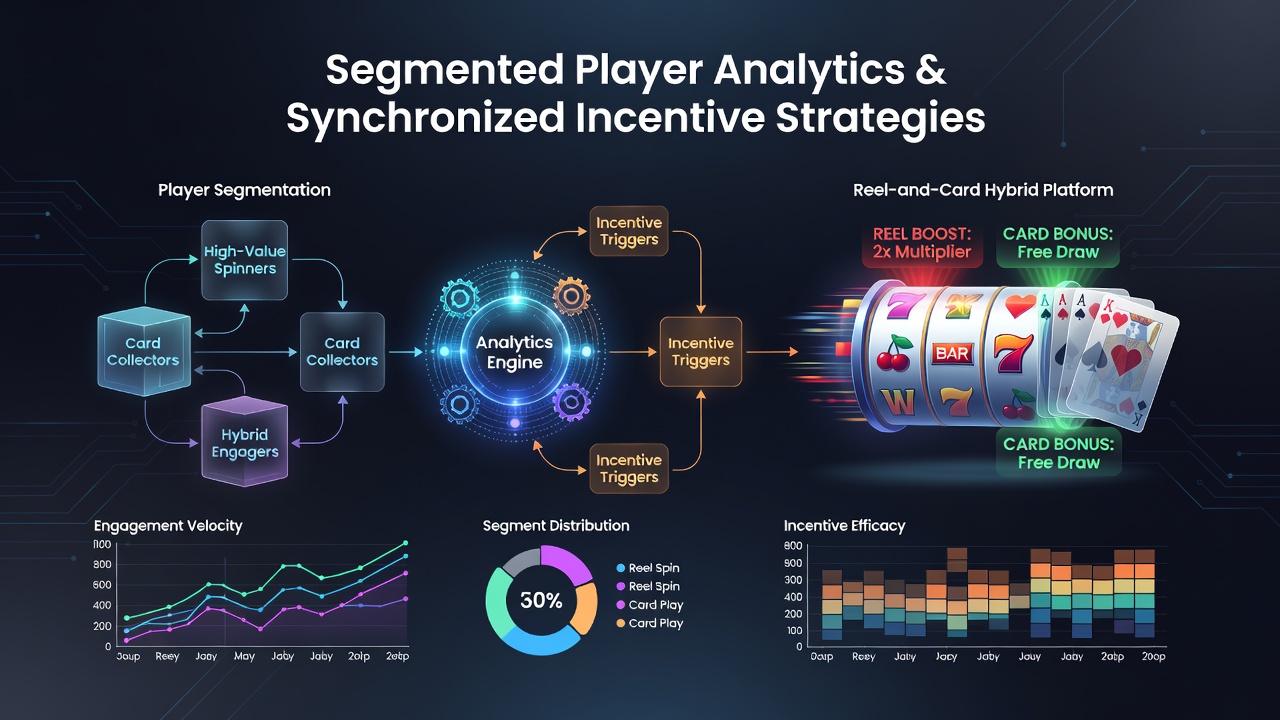
Operators divide participants into cohorts such as high-frequency reel users who occasionally sample card tables, crossover competitors who alternate between formats within single sessions, and card-focused players who add slot play during bonus windows. Research indicates these groupings emerge from transaction logs and gameplay timestamps rather than self-reported preferences, and platforms update segment assignments in real time as new data arrives. In July 2026 several North American operators reported that refined segmentation increased cross-format session completion rates by measurable margins compared with earlier uniform reward models.
Synchronizing Incentives Across Reel and Card Formats
Once segments are identified, systems coordinate incentive delivery so that rewards in one format support activity in the other. A reel-heavy segment might receive free spins followed immediately by a low-wager table credit, while card-dominant users obtain match-play chips that unlock during subsequent slot spins. This synchronization relies on shared data pipelines that monitor both verticals simultaneously, and platforms adjust timing parameters based on average dwell times recorded for each segment. Figures from industry monitoring services reveal that synchronized offers reduce the interval between game-type switches by several minutes on average.
Data Sources Supporting Segment Accuracy
Regulatory filings and platform telemetry supply the raw material for these models. The Nevada Gaming Control Board publishes aggregated monthly activity reports that operators cross-reference with internal segment data to validate incentive performance, and similar datasets from Canadian provincial gaming corporations provide comparative benchmarks for markets with different regulatory frameworks. Academic analyses from institutions such as the University of Nevada, Las Vegas further examine how segment stability correlates with long-term retention across hybrid titles.
Platforms incorporate additional variables including device type, time-of-day patterns, and deposit method history when refining segments, and these layers help predict which incentive combinations produce the strongest crossover effects. Observers note that reel-to-card transitions occur most reliably when the second-format reward appears within a narrow temporal window after the first-format activity concludes.
Implementation Patterns Observed in 2026
Throughout the first half of 2026, several multistate operators expanded their hybrid offerings and simultaneously upgraded segmentation engines to handle increased data volume. July reporting cycles showed continued investment in application programming interfaces that link slot and table engines, allowing bonus ledgers to update without manual intervention. Those implementations typically begin with historical cohort analysis, move to controlled A/B testing of synchronized offers, and then scale successful pairings to broader segments. Data shows that segments defined by both game sequence and monetary velocity respond more consistently to timed incentives than segments built on single metrics alone.
Measurement of Incentive Synchronization Outcomes
Key performance indicators tracked by platforms include segment migration rates, average revenue per user within each cohort, and the frequency of back-and-forth game switches during rewarded sessions. Reports compiled by gaming associations indicate that synchronized structures produce higher retention curves than static bonus schedules, particularly among mid-tier segments that previously showed rapid drop-off after initial reel play. Operators continue to test variations such as conditional table bonuses that activate only after a minimum number of reel spins or progressive multipliers that carry across formats when segment criteria are met.
Regulatory Context and Data Governance
Jurisdictions overseeing hybrid platforms require transparent reporting of how player data informs promotional targeting, and compliance teams review segmentation logic to confirm it does not create unfair advantage for any cohort. In July 2026 updated guidance from several state regulators emphasized audit trails that document the data points used to assign and update segments, ensuring incentive synchronization remains within established responsible gaming parameters. Platforms respond by maintaining detailed logs that link each synchronized reward to the underlying segment definition and performance metric.
Conclusion
Segmented player analytics now serve as the foundation for incentive programs that coordinate rewards across reel and card components of hybrid platforms, and ongoing data collection supports continuous refinement of those alignments. Regulatory filings, industry reports, and platform telemetry together illustrate how distinct behavioral clusters receive timed offers designed to sustain engagement through format transitions. As hybrid environments expand, the precision of segment definitions and the synchronization of resulting incentives remain central to operational strategies documented in 2026 market activity.