Regional Festival Calendars Shape Hybrid Slot-Table Transitions in State-Regulated Apps
Written by Eden Perry · Aug 26, 2026
Regional Festival Calendars Shape Hybrid Slot-Table Transitions in State-Regulated Apps
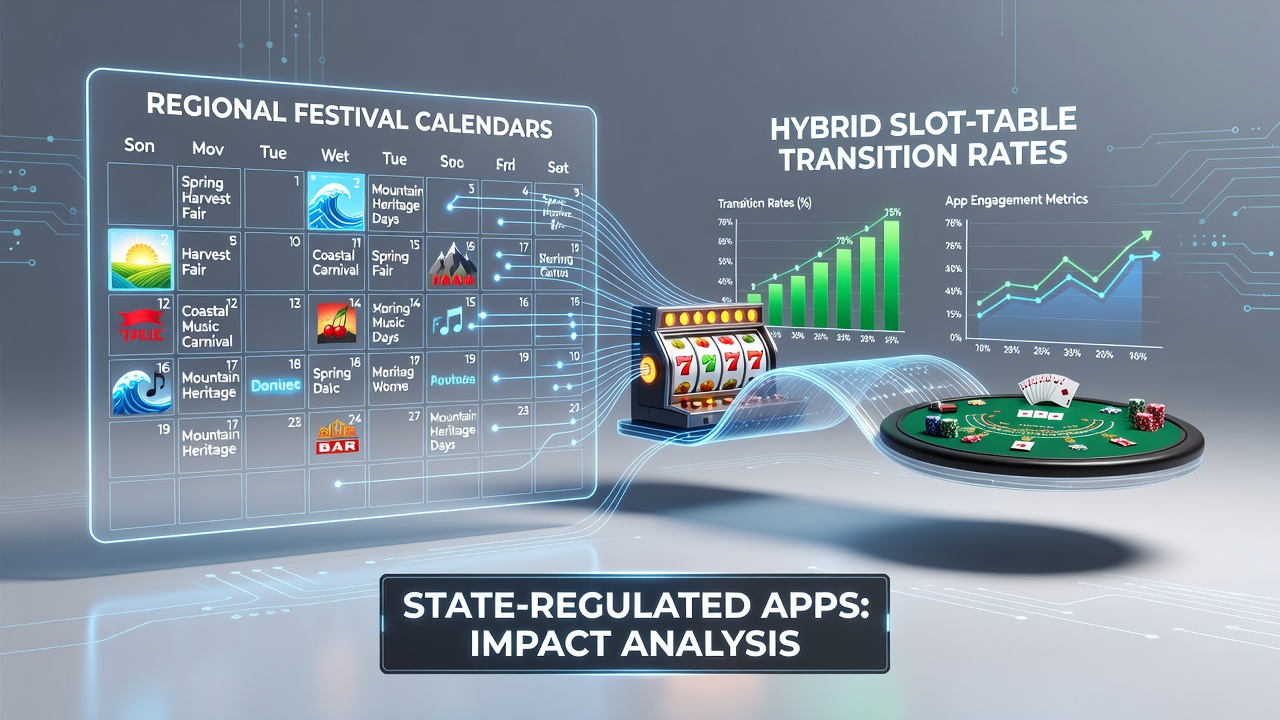
Regional festival calendars align with measurable changes in how players move between slot machines and table games inside state-regulated mobile applications, and data from multiple jurisdictions shows these shifts occur at predictable intervals tied to local events. Observers note that apps in markets with dense festival schedules experience higher crossover activity during summer months, while quieter periods see more stable but lower transition volumes. State regulators track these patterns through anonymized session logs that record game-type switches within single user accounts.
Festival Timing and Player Movement Patterns
Events such as county fairs, cultural celebrations, and seasonal gatherings pull players toward slots during initial app sessions, yet data indicates a subsequent rise in table game entries as festivals progress into evening hours. Researchers analyzing logs from apps licensed in New Jersey and Pennsylvania found that transition rates between reel-based games and card or roulette formats increased by double-digit percentages on festival weekends compared with baseline weeks. These shifts appear most pronounced when events span multiple days and coincide with extended app usage windows.
August 2026 brings several overlapping festivals across the Northeast and Midwest, including harvest-themed gatherings and music events that extend into late evening, and regulators expect these dates to produce similar spikes in hybrid play. Session data collected during comparable periods in prior years shows players often begin with short slot sessions before moving into table games once festival schedules allow for longer engagement blocks. The pattern holds across demographic groups tracked in regulatory reports, though the magnitude varies by state.
Data from Multiple Jurisdictions
According to figures released by the New Jersey Division of Gaming Enforcement, apps operating under that state's framework recorded elevated crossover activity during the Monmouth County Fair period, with users switching between slots and live dealer tables at rates exceeding non-festival baselines. Similar patterns emerged in analyses of Midwestern markets where state fairs overlap with peak mobile usage times. These observations come from aggregated transaction records that regulators require operators to submit, allowing researchers to map game-type sequences without accessing individual identities.
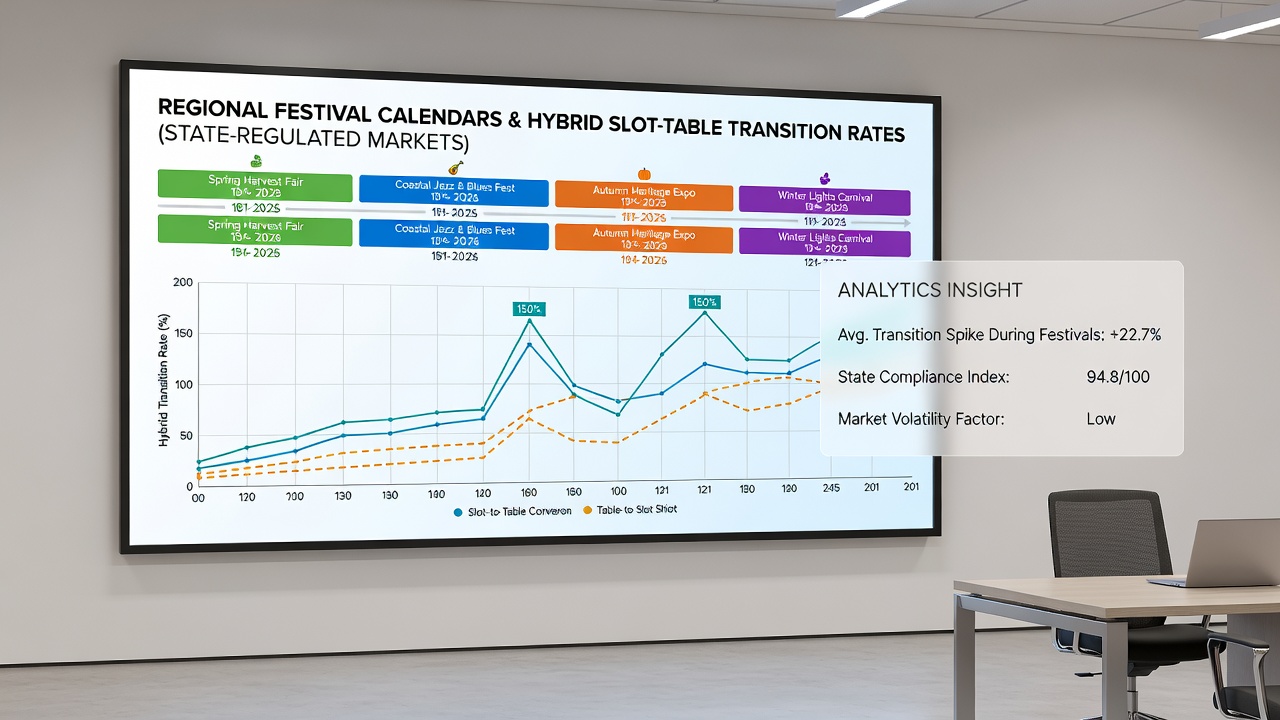
Canadian provincial regulators have documented parallel trends in markets where agricultural exhibitions and cultural festivals cluster in late summer. One study covering Ontario-licensed apps noted that players increased table game entries following afternoon slot play during festival weeks, a sequence that reversed on ordinary weekdays. The consistency across borders suggests the influence stems from shared calendar pressures rather than jurisdiction-specific rules.
App Features That Capture Festival-Driven Shifts
State-regulated platforms incorporate real-time calendar integrations that surface promotions aligned with local events, and these tools correlate with measurable changes in transition timing. Developers design notification systems that activate when festival schedules overlap with typical play hours, prompting users toward different game categories at specific moments. Transaction logs reveal that users who receive these timed prompts complete more slot-to-table switches than those who do not.
Hybrid formats inside the apps allow seamless movement between categories without exiting the session, and festival periods amplify the use of this feature. Data indicates that the average number of game-type changes per active user rises during event windows, while average session length extends because players linger across both formats. Operators adjust interface elements such as quick-switch buttons and cross-category lobbies in response to these seasonal patterns.
Regulatory Tracking and Future Calendar Integration
Regulators in multiple states now require operators to include festival calendar variables in quarterly performance submissions, enabling more precise forecasting of transition volumes. Academic teams affiliated with gaming research centers have begun cross-referencing public festival schedules with anonymized app data to build predictive models. These efforts focus on identifying which event types produce the strongest effects on hybrid play sequences.
August 2026 festival dates already appear in planning documents submitted by several licensed operators, with projections showing expected upticks in slot-to-table movement during peak event days. The models incorporate variables such as event duration, geographic reach, and historical usage spikes to estimate crossover rates before the period begins.
Conclusion
Regional festival calendars exert a measurable influence on how users transition between slots and table games inside state-regulated mobile apps, with data from multiple jurisdictions confirming the link through session logs and regulatory filings. As operators and regulators incorporate these calendars into planning tools, the ability to anticipate and accommodate these shifts continues to develop. The patterns observed through 2026 underscore the connection between local event timing and digital gaming behavior across regulated markets.