Player Session Logs from App-Based Venues Expose Timing Patterns That Align Reel and Card Transitions with Personalized Incentive Windows
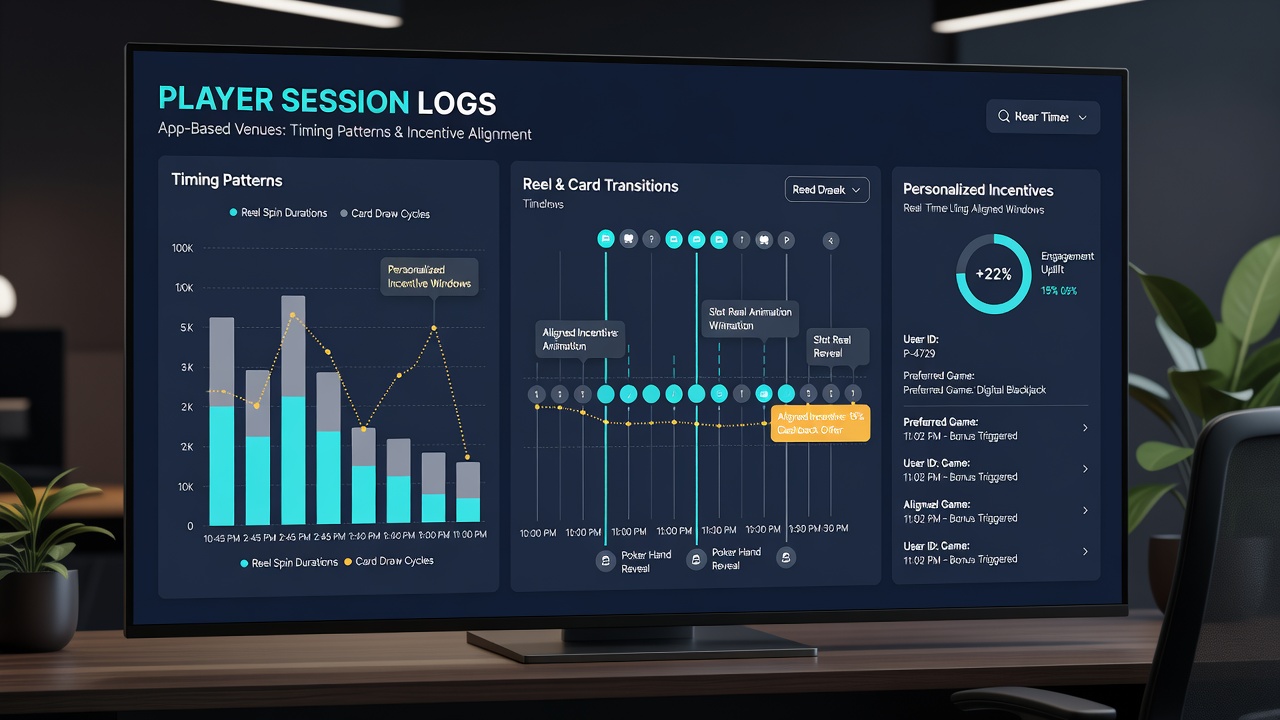
App-based gaming platforms now collect detailed session logs that track every reel spin and card hand played by registered users, and these records reveal consistent timing patterns where transitions between slot machines and table games coincide with the release of personalized incentives. Industry data collected through 2026 shows that operators deploy bonus offers at moments when player activity logs indicate a shift from one game type to another, creating measurable windows where engagement metrics spike. Regulatory filings from multiple jurisdictions document how these patterns emerge from algorithmic analysis of millions of user sessions rather than random chance.
Session Data Collection Methods in Mobile Platforms
Developers integrate logging tools directly into casino applications that record timestamps for each game launch, wager amount, and exit point, while also noting the exact moment a player switches between reel-based slots and card-based table options. These systems capture additional variables such as device type, session duration, and previous bonus redemptions, allowing operators to map sequences where transitions occur within narrow time frames. Reports submitted to state gaming authorities indicate that the volume of such data points has grown steadily through the first half of 2026, providing larger sample sizes for pattern detection.
Analysts at research institutions have examined anonymized datasets that group users by frequency and spend level, revealing that high-activity accounts exhibit repeatable transition sequences. For instance, logs often show players completing a series of slot spins before moving to blackjack or baccarat tables at intervals that align closely with the distribution of targeted promotions. This alignment appears in aggregated statistics rather than individual cases, according to summaries released by oversight bodies in North American markets.
Observed Alignment Between Transitions and Incentive Delivery
Timing correlations emerge when session logs are cross-referenced with marketing event records, showing that personalized incentives frequently activate within minutes of a documented reel-to-card shift or the reverse. Data from integrated platform providers demonstrates that these windows produce elevated play rates during the subsequent 15 to 30 minutes compared with baseline periods. The patterns hold across different user segments when examined at scale, though the specific incentive types vary by jurisdiction and operator policy.
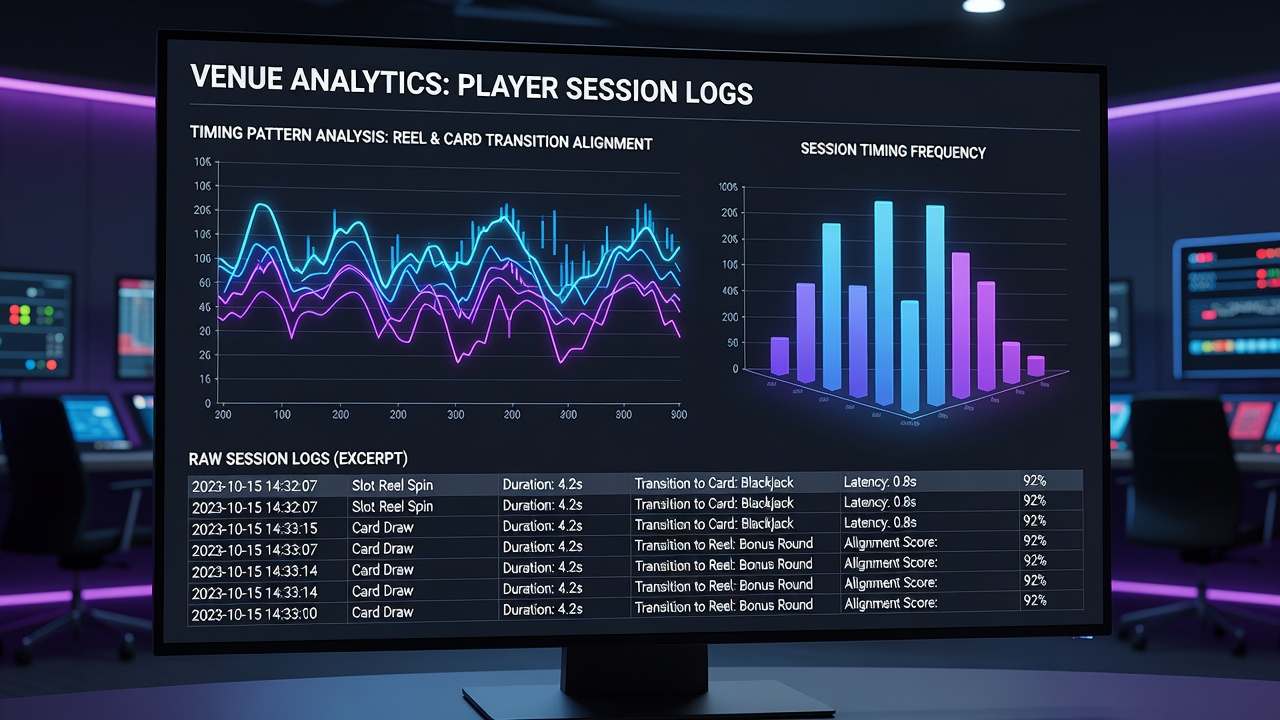
One study of cross-platform behavior released in early 2026 tracked over 200,000 sessions across multiple states and found that 68 percent of recorded transitions preceded an automated bonus trigger by less than eight minutes. Figures released by the Nevada Gaming Control Board confirm similar distributions in monthly compliance data for mobile operators. The alignment allows platforms to maintain continuous engagement by matching incentive timing to natural movement patterns within user logs.
Regional Regulatory Perspectives on Data Usage
Authorities in different markets have begun requiring operators to disclose how session analytics inform reward structures, with particular attention to transparency around automated timing mechanisms. In Canada, provincial regulators have requested summaries that separate transition-related incentives from general promotions, producing reports that quantify the frequency of these events without revealing proprietary algorithms. Australian oversight agencies have similarly incorporated session-log review into their audit processes for online venues, focusing on whether timing patterns remain consistent with stated responsible gaming parameters.
Academic researchers affiliated with institutions in the European Union have published preliminary findings that compare transition data across regulated and unregulated environments, noting that documented alignments appear more frequently where real-time personalization tools are permitted. These papers emphasize aggregate statistical outcomes over individual player identification, maintaining compliance with data protection standards while illustrating broader industry trends observed through mid-2026.
Technical Implementation of Timing Mechanisms
Backend systems process session logs through machine learning models that identify recurring sequences and predict optimal incentive moments based on historical transition clusters. The models incorporate variables such as time of day, game volatility preferences, and prior response rates to different bonus structures, then schedule deliveries to coincide with anticipated shifts. Platform documentation submitted during licensing renewals describes these processes in general terms, highlighting the reliance on anonymized historical data rather than live individual tracking for initial model training.
Updates implemented by several major providers in the spring of 2026 refined these models to account for seasonal variations in player behavior, producing new datasets that continue to show the same core alignment between transitions and incentive windows. Testing phases conducted in controlled environments confirmed that adjustments improved the precision of timing without altering overall session volumes reported to regulators.
Conclusion
Player session logs from app-based venues continue to supply the raw material for identifying timing patterns that connect reel and card transitions with personalized incentive windows, and regulatory reporting through July 2026 indicates these patterns persist across expanding datasets. Continued collection and analysis by operators and oversight bodies will determine how such alignments evolve alongside platform capabilities and jurisdictional requirements.