Player Migration Patterns Across State Lines Reshape Loyalty Structures in Regulated Markets
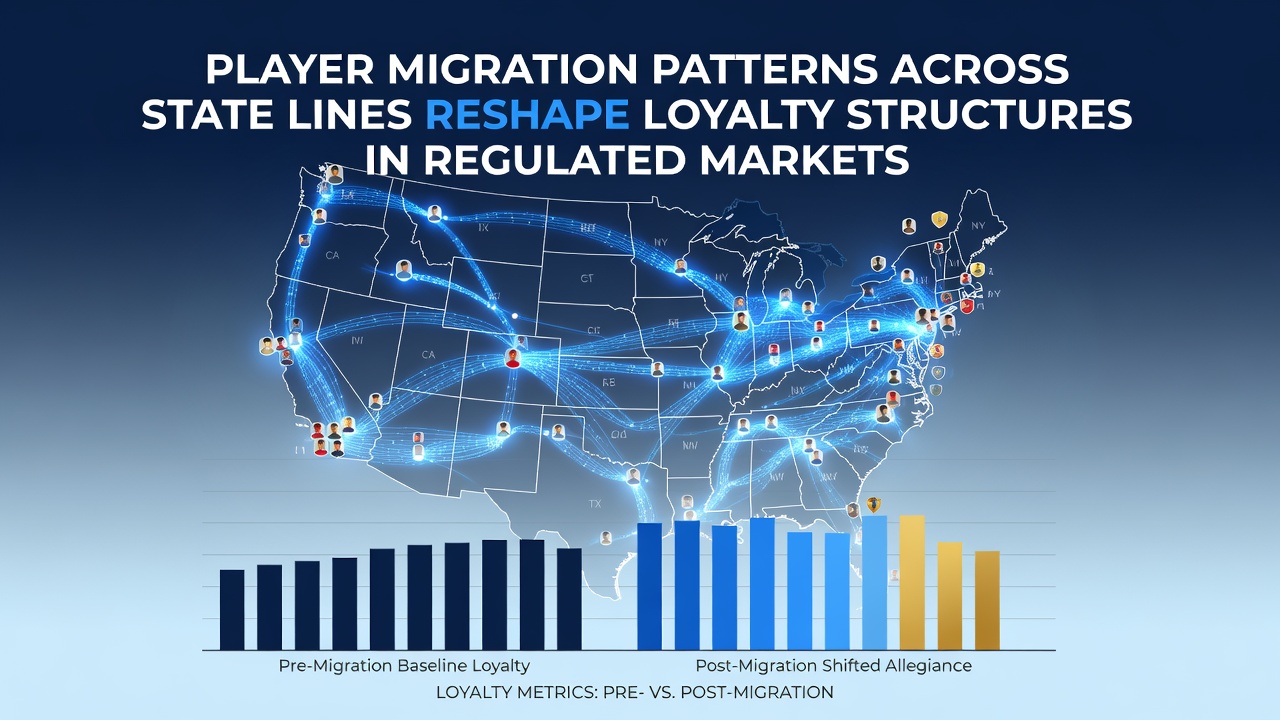
Player movement between states with varying gaming regulations continues to influence how operators design and maintain loyalty programs, and data from multiple jurisdictions shows consistent shifts in player behavior tied to these crossings. Researchers tracking activity across borders have documented increases in multi-state participation since expanded legalization began taking hold in several regions, with patterns emerging around seasonal travel, event-based visits, and regulatory differences in bonus structures or tax treatments.
States like Pennsylvania and New Jersey have seen notable inflows from neighboring areas where online options remain limited, while operators in those markets adjust tiered rewards to retain visitors who split time across lines. Figures from state regulatory filings indicate that cross-border players often maintain primary accounts in one location but activate secondary profiles elsewhere, which forces loyalty platforms to incorporate more flexible redemption options and shared progress tracking.
Tracking Movement Data in Regulated Environments
Analysis of transaction records reveals that players frequently relocate activity based on promotional calendars or new game releases unavailable in their home state, and this behavior directly affects how casinos structure earning rates for points and comps. Those who've examined anonymized datasets from integrated platforms note that roughly 18 to 22 percent of high-volume participants in key East Coast markets logged sessions from multiple jurisdictions during the first half of 2026, with June marking a peak period tied to summer travel schedules and major sporting events.
Regulatory bodies in different regions collect this information through mandatory reporting requirements, allowing operators to identify clusters of migration without violating privacy standards. One study conducted by academic researchers at the University of Nevada, Las Vegas highlighted correlations between state tax policies and the duration of player stays, showing that lower effective rates in certain markets encourage longer sessions among visitors from higher-tax areas.
Adjustments to Loyalty Frameworks
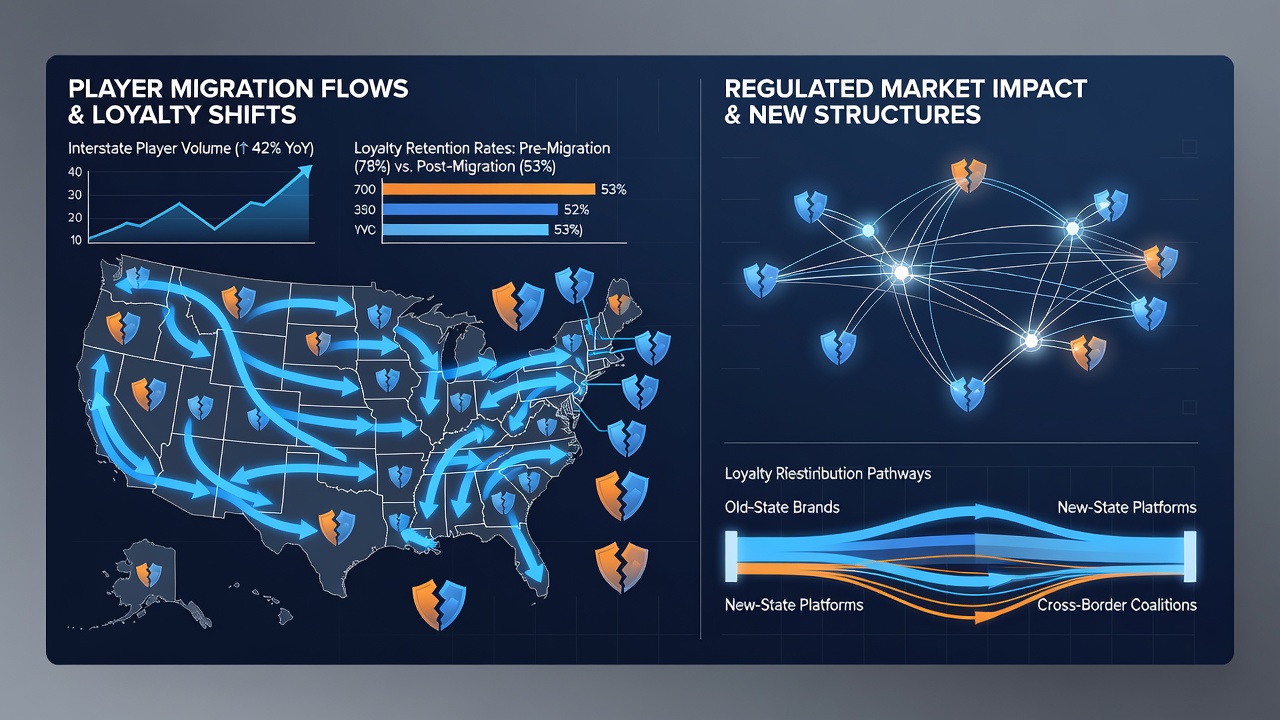
Operators respond to these patterns by introducing regional multipliers or transferrable benefits that account for documented travel routes, and industry reports indicate growing adoption of unified wallet systems across partnered properties. Data shows that loyalty tiers now incorporate metrics beyond single-site play, including total handle across borders and frequency of interstate visits, which helps maintain engagement when players alternate between venues.
What's interesting here is how these changes intersect with mobile access, since many participants use apps that automatically detect location and adjust available rewards accordingly. Observers note that programs emphasizing cross-state recognition have seen higher retention rates among mobile users compared to those limited to in-state activity alone, according to aggregated performance metrics shared at recent trade conferences.
Regulatory and Operational Considerations
State gaming commissions enforce rules that complicate seamless loyalty integration, yet partnerships between operators in adjacent markets have emerged as a practical response, and examples include shared progressive jackpots or reciprocal comp redemptions that bridge regulatory gaps. Canadian provincial regulators have implemented similar cross-border tracking protocols with U.S. counterparts in border regions, providing models that U.S. states reference when updating their own frameworks.
Figures reveal that compliance costs rise when programs must segment benefits by jurisdiction, but operators offset these through targeted marketing that highlights location-specific advantages. Those monitoring the sector point to increased use of geofencing technology to ensure rewards align with legal boundaries while still acknowledging players who cross them regularly.
Future Patterns and Industry Responses
Projections based on current trends suggest continued growth in multi-state participation as more jurisdictions finalize online frameworks, and this evolution prompts loyalty providers to refine algorithms that predict migration likelihood based on historical data. Research from the Australian Gambling Research Centre has examined analogous patterns in that country's state-based systems, offering comparative insights that U.S. operators review for potential adaptation.
But here's the thing: while technology enables finer tracking, the core challenge remains balancing player convenience against strict regulatory separation, which means ongoing experimentation with tiered structures that reward both local loyalty and documented travel. Industry organizations such as the American Gaming Association have compiled case studies showing how these adaptations affect overall revenue distribution across markets.
Conclusion
The interplay between player migration and loyalty program design reflects broader shifts in regulated gaming markets, where data-driven adjustments help operators navigate jurisdictional differences without compromising compliance. Continued monitoring of these patterns through 2026 and beyond will likely yield additional refinements as states refine their approaches and technology supports more integrated experiences across borders.