Mapping Habit Loops in Integrated Wagering Platforms Through Longitudinal Profile Examinations
Written by Katja Krüger · Jul 22, 2026

Mapping Habit Loops in Integrated Wagering Platforms Through Longitudinal Profile Examinations
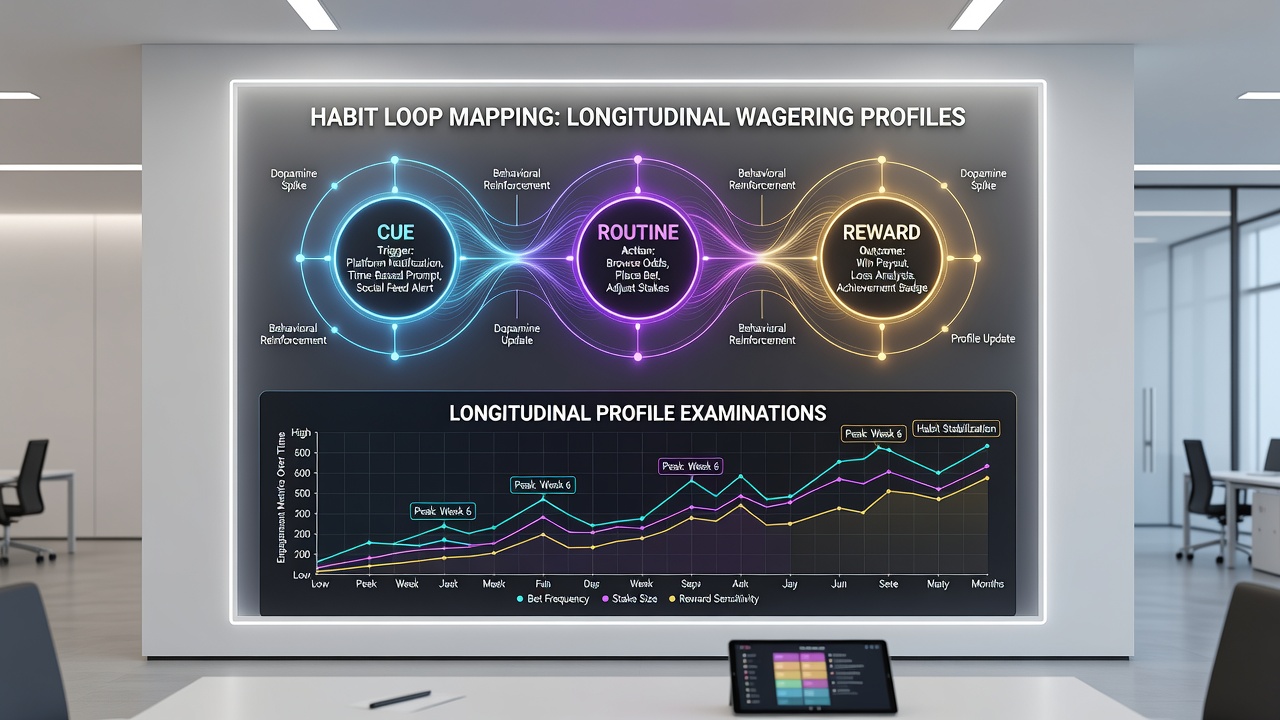
Integrated wagering platforms combine slots, table games, and live dealer options into single user accounts, which creates rich datasets for tracking behavior over extended periods. Researchers apply longitudinal profile examinations to these records, following individual accounts across months or years while mapping the sequences that form habit loops. These loops consist of triggers that prompt play sessions, the betting actions themselves, and the outcomes that reinforce continued engagement.
Defining Habit Loops Through Behavioral Data
Habit loops emerge when consistent cues such as time of day, notification alerts, or balance thresholds lead players into routines of specific game selections and wager amounts. Rewards arrive in the form of wins, bonus credits, or near-miss experiences that encourage repetition. Longitudinal examinations reveal how these elements stabilize or shift when platforms introduce new features or adjust reward schedules. Data collected in July 2026 from multiple integrated systems showed that players who maintained accounts for more than eighteen months developed identifiable loops tied to particular game categories, while newer accounts displayed more variable patterns before settling into routines.
Methods Used in Longitudinal Profile Examinations
Analysts compile anonymized transaction histories, session durations, and game-type transitions from unified player profiles. They segment these records into time-bound cohorts and apply sequence analysis to detect recurring cue-routine-reward chains. Cross-platform integration allows comparison of behavior when users move between mobile slots and desktop table games within the same account. This approach identifies whether certain triggers operate across device types or remain isolated to one interface. Platforms that maintain detailed logs enable researchers to measure how external events, such as promotional campaigns or regulatory changes, alter established loops.
Patterns Observed in Multi-Game Environments
Examinations of integrated platforms indicate that slot-focused loops often begin with small-stake sessions triggered by free spin notifications, then expand into higher wagers after initial wins. Table game loops, by contrast, frequently start with live dealer entry points linked to scheduled tournaments. When profiles span both categories, analysts note crossover points where a slot session transitions into blackjack or roulette play. Records from July 2026 highlighted increased crossover frequency among accounts that received personalized reward timing based on prior loop data. These findings come from aggregated platform metrics rather than individual case studies.
Researchers compare loop stability across different regulatory jurisdictions. Data from the Nevada Gaming Control Board demonstrates that platforms operating under strict reporting requirements produce more granular longitudinal records than those in less regulated markets. Australian studies published through the Australian Institute of Family Studies similarly track how loyalty structures influence loop formation when players migrate between state-licensed operators.
Platform Adaptations Based on Profile Analysis
Operators use mapped habit loops to adjust notification timing and reward placement. When longitudinal data shows that a particular cue reliably precedes extended play sessions, systems may delay or modify that trigger to alter session length. Integrated environments allow these adjustments to apply consistently whether users access slots or table games. July 2026 updates to several major platforms incorporated loop-derived timing for bonus releases, resulting in measurable shifts in game-type transition rates within examined profiles.
Challenges in Maintaining Longitudinal Accuracy
Player account closures, device switches, and changes in payment methods can interrupt continuous data streams. Analysts address these gaps by weighting available records and excluding incomplete profiles from core datasets. Regulatory requirements in multiple jurisdictions mandate data retention periods that support multi-year examinations, yet privacy rules limit the granularity of shared information between operators. Despite these constraints, aggregated findings continue to accumulate as more platforms adopt unified player tracking systems.
Conclusion
Longitudinal profile examinations provide a structured method for identifying habit loops within integrated wagering platforms. By following account activity across extended timeframes, researchers document how cues, routines, and rewards interact across game categories and device types. Data gathered through July 2026 illustrates both the stability of established loops and the points at which they adapt to new platform features. Continued refinement of these analytical techniques supports more precise mapping of behavioral sequences while respecting applicable data governance standards across regions.