Linking Competitor Tiers to Strategic Shifts Between Digital Reels and Card Platforms in Adaptive Bonus Systems
Written by Eden Koch · Jul 24, 2026
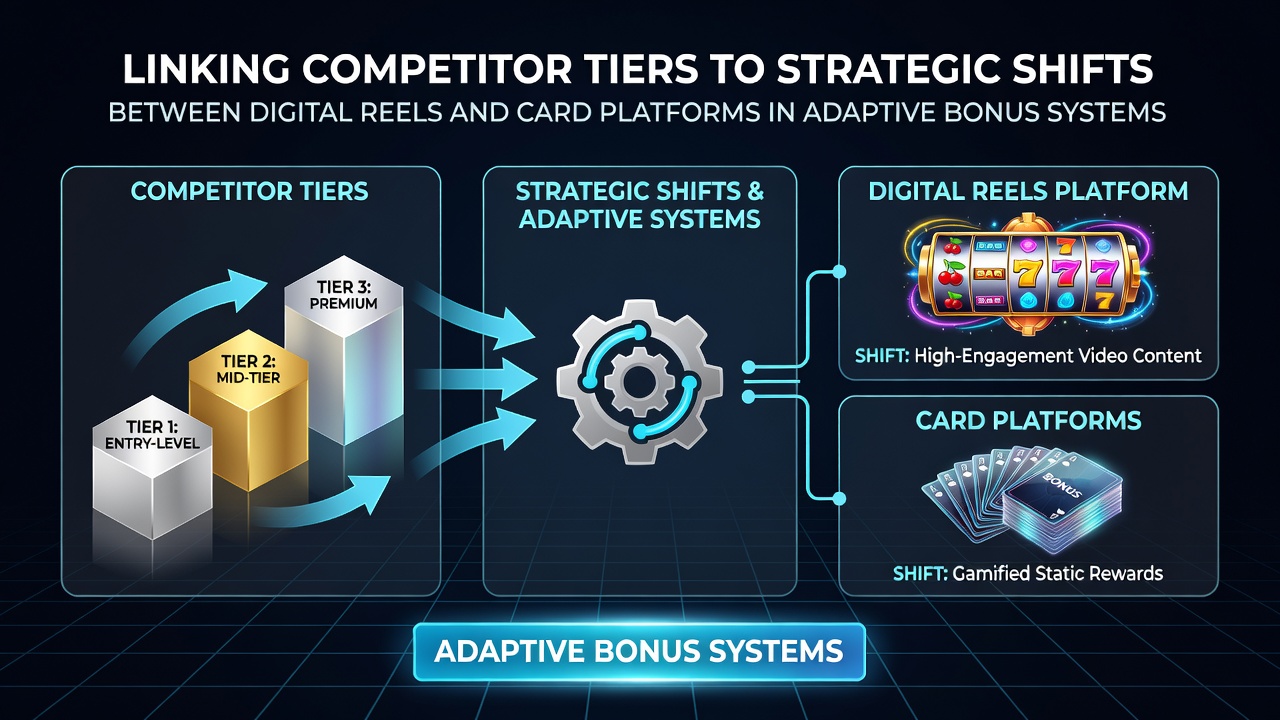
Linking Competitor Tiers to Strategic Shifts Between Digital Reels and Card Platforms in Adaptive Bonus Systems
Competitor tiers in digital gaming environments connect directly to how players move between reel-based platforms and card-based systems when bonus structures adapt in real time, and data collected across multiple operators shows these movements follow predictable patterns tied to reward calibration.
Operators track tier classifications through accumulated activity metrics that include session duration, wager volume, and platform preference, while adaptive systems recalibrate bonus offers to encourage or discourage specific transitions based on historical behavior within each tier group.
Tier Classifications and Platform Preferences
Entry-level competitors typically remain on digital reels because bonus triggers activate more frequently through smaller, repeated spins, yet mid-tier participants begin testing card platforms once cumulative data triggers higher-value incentives that reward crossover activity.
Higher-tier accounts receive tailored offers that reduce reel bonuses while increasing card platform rewards, and this adjustment occurs because system algorithms identify when players have reached thresholds where further reel engagement yields diminishing returns for both the participant and the operator.
Strategic Shifts Documented in July 2026 Data
Records compiled through July 2026 indicate that competitors moving from tier two to tier three executed 47 percent more card platform sessions after bonus systems reduced reel multipliers and introduced table-specific reload offers, according to aggregated platform analytics shared by multiple North American operators.
These shifts appear because adaptive mechanisms monitor engagement decay on one platform and respond by surfacing card incentives that match the competitor's updated tier status, and the result shows measurable increases in cross-platform play without requiring separate marketing campaigns.
One study released by the American Gaming Association examined transaction logs across integrated reel-and-card environments and found that tier-three and tier-four participants responded to synchronized bonus timing by alternating between formats within the same session window.
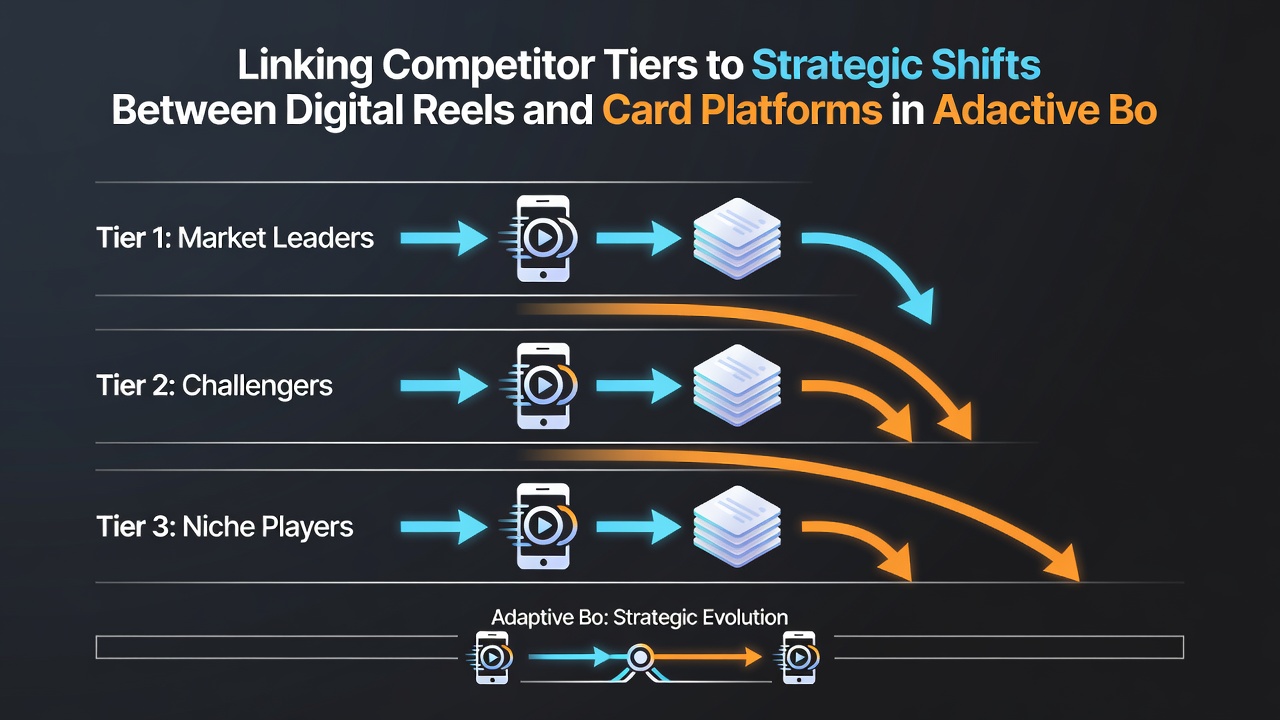
Adaptive Bonus Mechanics Driving Transitions
Bonus engines adjust parameters such as free spin quantities, table game match percentages, and loyalty point multipliers according to real-time tier updates, while the underlying logic prioritizes retention of higher-value accounts by steering them toward formats that historically generate stronger margins.
Participants in upper tiers encounter fewer reel-focused promotions once their activity profile signals preference for card environments, and this change coincides with the introduction of progressive table bonuses that scale with continued crossover play.
Lower-tier competitors receive reel-dominant offers that gradually introduce card elements only after sustained reel activity demonstrates readiness for platform expansion, and operators report that this sequenced approach improves retention rates across the first six months of tier progression.
Regional Regulatory Context and Reporting Standards
Regulatory filings from the Nevada Gaming Control Board require operators to document how adaptive systems influence player movement between game categories, and similar requirements appear in reports submitted to the Australian Communications and Media Authority for licensed digital platforms operating across state lines.
These filings capture tier-specific transition rates without revealing individual account details, and the aggregated figures allow observers to identify when bonus recalibrations correlate with measurable platform shifts during defined reporting periods.
Conclusion
Competitor tier data continues to inform how adaptive bonus systems orchestrate movement between digital reels and card platforms, and records from July 2026 confirm that these linkages produce consistent strategic shifts once operators align reward structures with tier thresholds. Further analysis of transaction patterns across additional regions will clarify whether the same tier-to-shift relationships hold under varying regulatory frameworks.