Exploring Competitor Movement Patterns Between Digital Table Formats and Reel Spins in App Ecosystems
Written by Eden Koch · Aug 19, 2026

Exploring Competitor Movement Patterns Between Digital Table Formats and Reel Spins in App Ecosystems
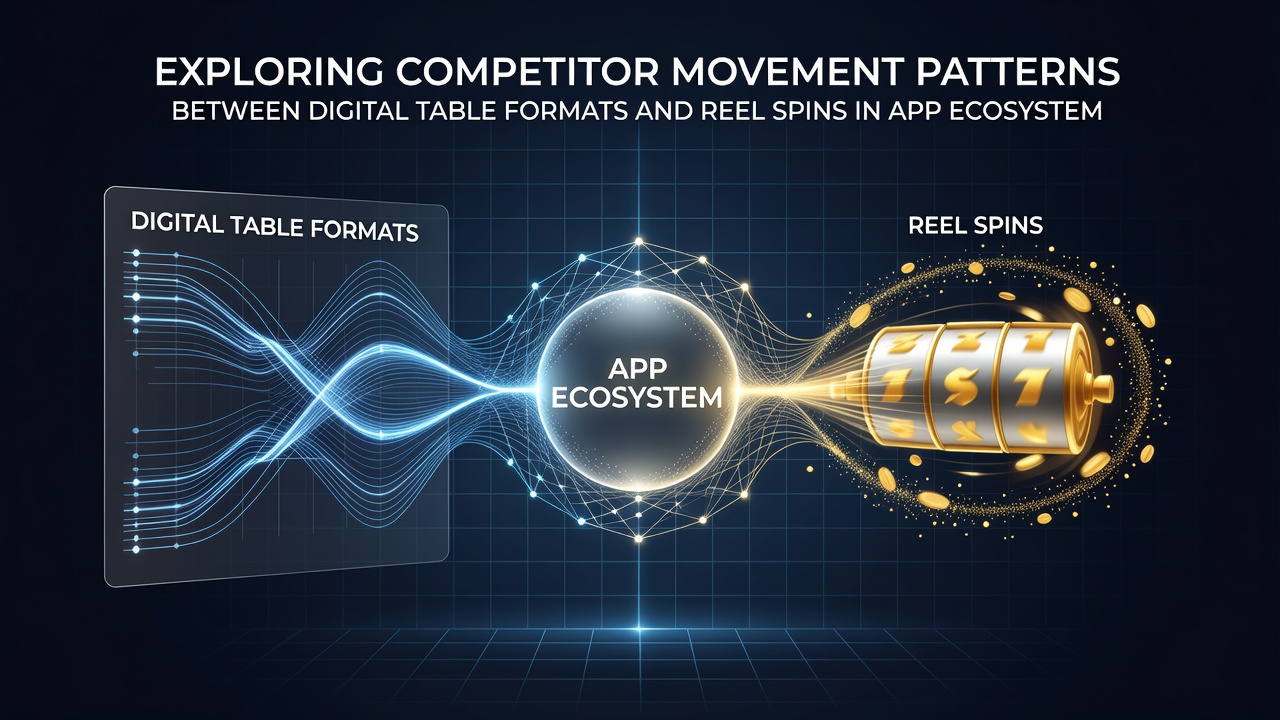
Competitor movement patterns in digital casino platforms reveal consistent shifts between table formats and reel spins, driven by data tracking across app ecosystems. Observers note that players frequently alternate between structured card environments and spinning reel mechanics, creating measurable flows that developers monitor through session logs and profile analytics.
Data Sources and Tracking Methods
Industry reports compile information from multiple regulated markets where app usage generates detailed logs of game selections and session durations. According to data compiled by the Nevada Gaming Control Board, transition rates between table simulations and reel-based titles increased during the first half of 2026, with patterns showing clusters around peak evening hours. Researchers at academic institutions have analyzed similar datasets from North American and European operators, identifying sequences where users complete a series of table rounds before switching to reel spins within the same session window.
These movements appear in aggregated statistics that separate ranked competitors from casual participants. Figures released by the American Gaming Association indicate that high-frequency users account for a disproportionate share of cross-format activity, often completing multiple table rounds followed by extended reel sequences before logging off.
Observed Transition Patterns in August 2026
Records from August 2026 documented elevated crossover activity during specific promotional windows. Participants moved from digital table formats into reel environments at rates that exceeded baseline measurements from prior months, particularly on weekends when bonus structures encouraged continued play. Those who studied the logs observed that players who began in blackjack or baccarat simulations tended to migrate toward reel titles after accumulating a set number of hands, whereas reel-first users returned to table formats when progressive jackpots reset or when new variants launched.
Factors Influencing Movement Between Formats
Multiple variables correlate with these shifts. Session length data shows that shorter table rounds often precede longer reel engagements, while extended reel sequences frequently lead back to table play when users seek different pacing. App notifications and in-game prompts appear to accelerate transitions, with operators timing messages to coincide with natural stopping points in each format. Geographic differences emerge as well; markets with established mobile regulations exhibit smoother movement patterns compared with newer jurisdictions where interface familiarity remains lower.
Profile classifications further refine the picture. Users tagged as competitive participants demonstrate tighter clustering around specific transition points, often moving between formats after fixed win or loss thresholds. Broader participant groups display more variable paths, influenced by time of day and available device battery levels that affect continued engagement.
Impact on App Ecosystem Design
Developers adjust interface elements and reward timing based on these documented flows. Placement of navigation buttons between table and reel sections reflects observed migration routes, reducing friction for users who switch mid-session. Backend systems now prioritize loading sequences that accommodate rapid format changes, particularly on devices with limited processing capacity. Data from Australian regulatory filings suggests that operators incorporating transition analytics into layout decisions recorded higher retention across both game categories during the summer of 2026.
Payment integration points also align with movement timing. Deposits and withdrawals occur at higher volumes immediately after users complete a format switch, indicating that the act of changing games coincides with decisions to adjust account balances. This correlation appears consistently across multiple operator reports without requiring subjective interpretation of player intent.
Conclusion
Tracking competitor movement between digital table formats and reel spins provides operators with concrete metrics for ecosystem management. Patterns documented through session data, regulatory filings, and academic reviews continue to shape how apps organize navigation, notifications, and reward delivery. Continued collection of these statistics across expanding markets supplies the factual foundation for ongoing refinements in mobile casino platforms.