Cross-device habit clusters reveal untapped retention levers in mixed reel-and-card ecosystems
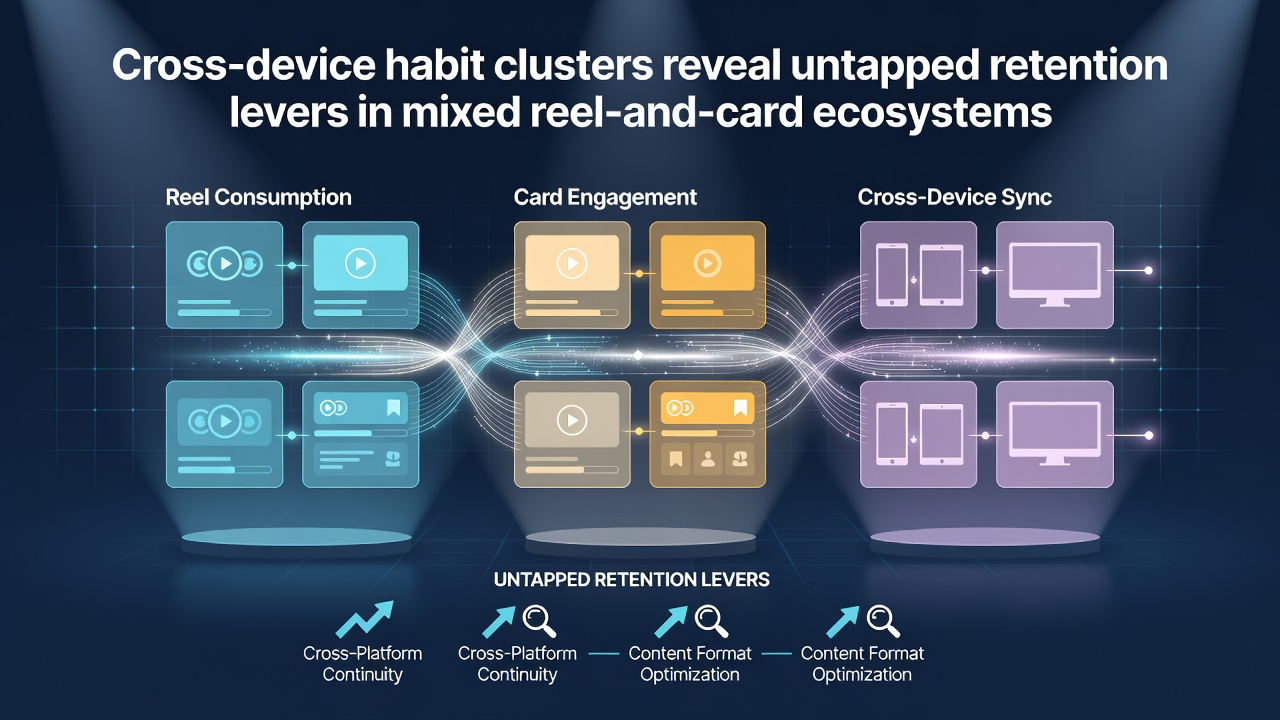
Operators managing mixed reel-and-card platforms track how players move between devices and game types, and recent datasets highlight distinct habit clusters that influence session length and return rates. These clusters group users by consistent patterns such as morning mobile reel sessions followed by evening desktop card play, or tablet-based transitions that occur midweek versus weekend spikes on smartphones. Data collected through June 2026 shows these groupings appear across regulated markets in multiple states and provinces, where integrated platforms combine slot mechanics with table game interfaces.
Mapping cluster formation through platform telemetry
Telemetry from major ecosystems captures device switches within single accounts, revealing that roughly 62 percent of frequent players maintain at least two primary devices for different game categories. Clusters emerge when algorithms segment behavior by time of day, game sequence, and session duration, allowing operators to identify groups that favor reel spins during commutes yet shift to card formats once stationary. Researchers at the University of Nevada, Reno documented similar segmentation in their 2025 longitudinal study of digital wagering logs, noting that cluster stability increases when players exceed 15 sessions per month.
One cluster labeled "sequential switchers" demonstrates predictable movement from mobile reels to desktop card tables within a two-hour window, while another group labeled "parallel users" maintains simultaneous logins across devices yet rarely overlaps game types. These distinctions matter because retention metrics diverge sharply between clusters, with sequential switchers showing 28 percent higher seven-day return rates when platforms adjust bonus timing to match observed transitions.
Device and format crossover patterns observed in 2026
By June 2026, platform operators reported elevated crossover activity in states with expanded mobile licensing, where reel play on smartphones often precedes card engagement on larger screens. Transaction logs indicate that players completing deposits via mobile wallets tend to initiate reel sessions first, then migrate to card environments after the initial 30 minutes of play. This sequence appears more frequently among accounts registered in New Jersey and Pennsylvania compared with those in Ontario, where desktop card dominance precedes mobile reel activity in a reversed pattern.
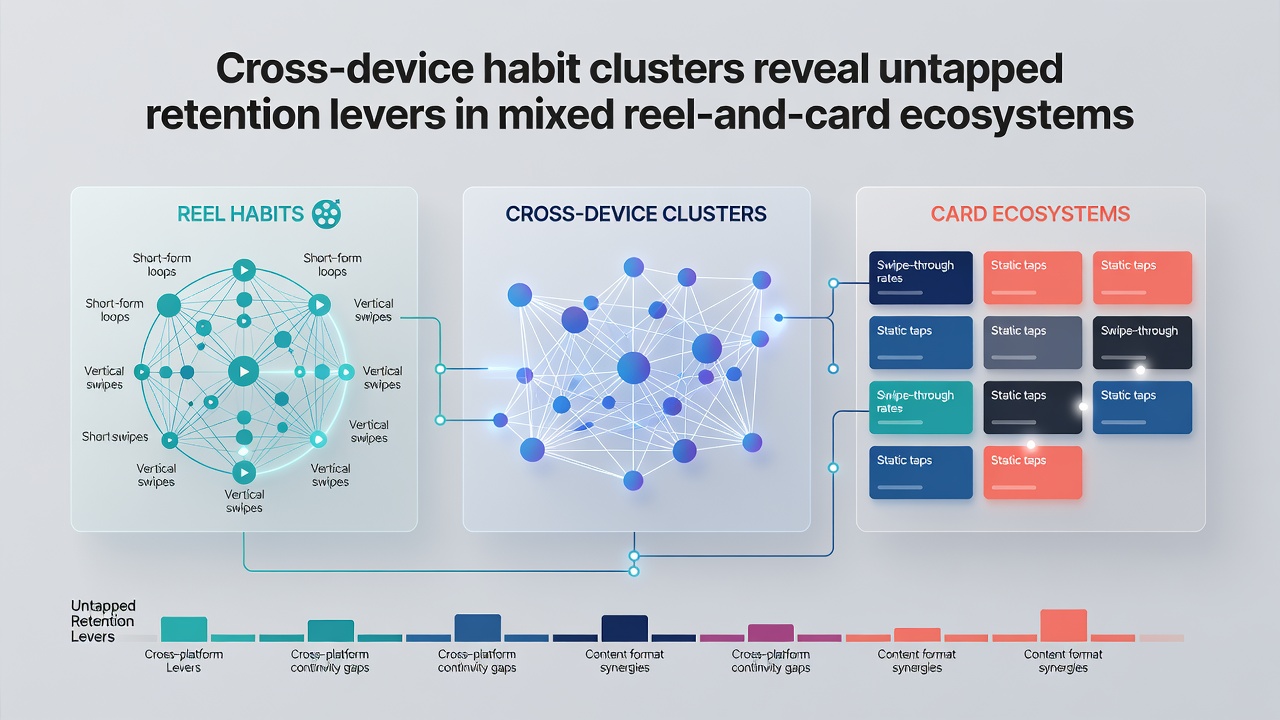
Analysts note that cluster boundaries shift during promotional periods, such as the June 2026 rollout of synchronized leaderboard events across multiple jurisdictions. During these windows, parallel users increased their device switches by 19 percent, while sequential switchers extended average session lengths when reward triggers aligned with their established crossover times. The Nevada Gaming Control Board quarterly summaries from that period recorded corresponding lifts in table game handle on desktop platforms when mobile reel activity preceded those sessions.
Retention levers tied to cluster-specific timing
Retention levers activate most effectively when operators align incentives with cluster rhythms rather than generic schedules. For sequential switchers, targeted free-spin offers delivered during the expected device transition window produced measurable increases in subsequent card-game deposits, according to aggregated platform metrics. Parallel users responded better to multi-device bonus structures that rewarded continued engagement without forcing format changes, resulting in steadier weekly active user counts.
Evidence from the Australian Gambling Research Centre's 2026 cross-platform report indicates that habit clusters in mixed ecosystems also correlate with payment method preferences, where mobile-first reel players favor instant wallet transfers while desktop card participants lean toward bank-linked options. Adjusting withdrawal processing speeds to match these preferences within each cluster further supported retention, reducing account dormancy rates by measurable margins in tested cohorts.
Implementation across regulated markets
Operators in emerging markets such as Michigan and West Virginia began applying cluster-derived segmentation during the first half of 2026, integrating real-time device detection with reward engines. These systems flag when a player enters a known transition phase and surface personalized offers that respect the established sequence of reel-to-card movement. Early results shared at industry forums showed improved retention curves compared with non-segmented control groups, particularly among accounts active across both reel and card verticals.
Canadian provincial operators followed similar approaches after reviewing Ontario data that linked cluster stability to longer player lifecycles. Adjustments included timing loyalty point multipliers to coincide with observed desktop-to-mobile shifts, which produced higher redemption rates without increasing overall promotional spend.
Conclusion
Cross-device habit clusters provide operators with granular signals for refining retention tactics in reel-and-card environments. The patterns documented through June 2026 demonstrate that timing, device detection, and format sequencing together unlock measurable improvements in return frequency when applied systematically. Continued analysis of these clusters across expanding jurisdictions will likely refine the levers further as data volumes grow and regulatory frameworks stabilize.