Connecting Competitor Classifications to Optimal Incentive Deployment Across Mobile Reel and Card Formats
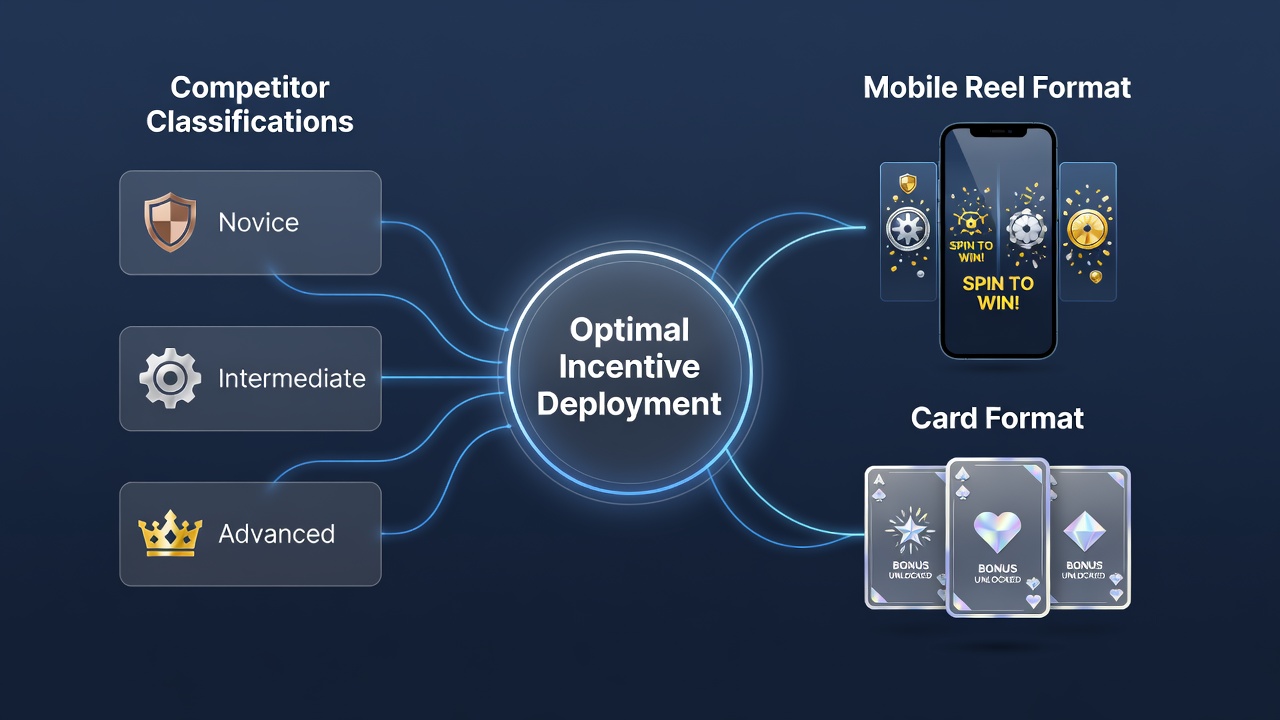
Analysts in the digital gaming sector track competitor classifications through behavioral data that segments participants into groups such as high-frequency reel users, strategic card players, and crossover competitors who shift between formats. These classifications draw from metrics including session duration, bet sizing patterns, and format transition rates, which operators apply when timing incentives like deposit matches or free play credits across mobile platforms.
Classification Frameworks in Mobile Environments
Research from industry reports indicates that operators categorize competitors using tiered models based on engagement velocity and format loyalty, with data showing that reel-focused participants often respond to volume-based rewards while card-oriented users prioritize precision incentives tied to table limits. Studies conducted through 2025 and into July 2026 reveal that mobile apps collect these signals in real time, allowing systems to adjust offers before competitors complete format switches.
One dataset compiled by state regulators highlights how participants labeled as "hybrid competitors" exhibit higher retention when incentives align with their most recent format choice, such as reel spin multipliers after card sessions or card-specific rake rebates following reel play. This approach relies on algorithms that process transaction histories rather than static profiles, and figures from multiple jurisdictions confirm measurable lifts in session continuity when deployments match these classifications.
Incentive Timing Across Reel Formats
Mobile reel environments generate dense data streams from spin frequency and multiplier hits, which classification engines use to trigger incentives like bonus rounds or cashback on extended sessions. Observers note that operators deploy these rewards most effectively when competitor segments show elevated churn risk, typically identified through declining reel engagement metrics over consecutive days. Evidence from platform analytics demonstrates that early intervention with format-specific offers reduces drop-off rates among reel-dominant competitors by aligning reward delivery with peak activity windows.
Card Format Deployment Patterns
Card-based mobile games produce different signals centered on decision speed and hand outcomes, prompting incentive structures such as entry fee waivers or progressive jackpot contributions calibrated to player tiers. Data indicates that strategic card competitors maintain longer platform loyalty when incentives emphasize risk-adjusted returns rather than volume triggers, a distinction that classification systems now incorporate through separate reward pathways. As of mid-2026, several operators have integrated these pathways into unified mobile dashboards, enabling seamless shifts between reel and card incentives without requiring manual competitor input.

Cross-Format Linkages and Data Integration
Integrated platforms connect reel and card data streams to build composite competitor profiles that inform simultaneous incentive deployment, where a reel bonus might automatically unlock a card-format credit upon format transition. According to reports from the Nevada Gaming Control Board, cross-format competitors represent a growing share of mobile activity, with classification accuracy improving when operators combine deposit patterns with gameplay telemetry. This integration supports incentive structures that reward format exploration while preserving loyalty within each segment.
Additional findings from the Australian Gambling Research Centre show that precise classification reduces incentive waste by limiting offers to competitors already predisposed to the targeted format, yielding efficiency gains documented across regulated markets. Operators achieve these results through iterative model updates that refine segment boundaries based on quarterly performance reviews rather than fixed rules.
Implementation Considerations for Operators
Deployment systems must account for mobile-specific constraints such as session length variability and device-based data latency when linking classifications to incentives. Practical applications include A/B testing of reward sequences across segments, with results indicating stronger uptake when card incentives follow reel activity for hybrid competitors and vice versa. Regulated environments continue to expand these capabilities through 2026, supported by standardized reporting that tracks incentive redemption rates by competitor class and format pair.
Conclusion
Linking competitor classifications to incentive deployment across mobile reel and card formats relies on continuous data refinement and format-aware segmentation, producing measurable improvements in engagement continuity as documented in regulatory and research sources. Operators that maintain these connections adapt reward timing to observed behavioral clusters, supporting sustained platform activity without reliance on uniform bonus structures.