Charting Deposit Sequence Rhythms That Forecast Hybrid Reel-to-Table Transitions Among Mobile Profile Clusters
Written by Katja Krüger · Aug 7, 2026
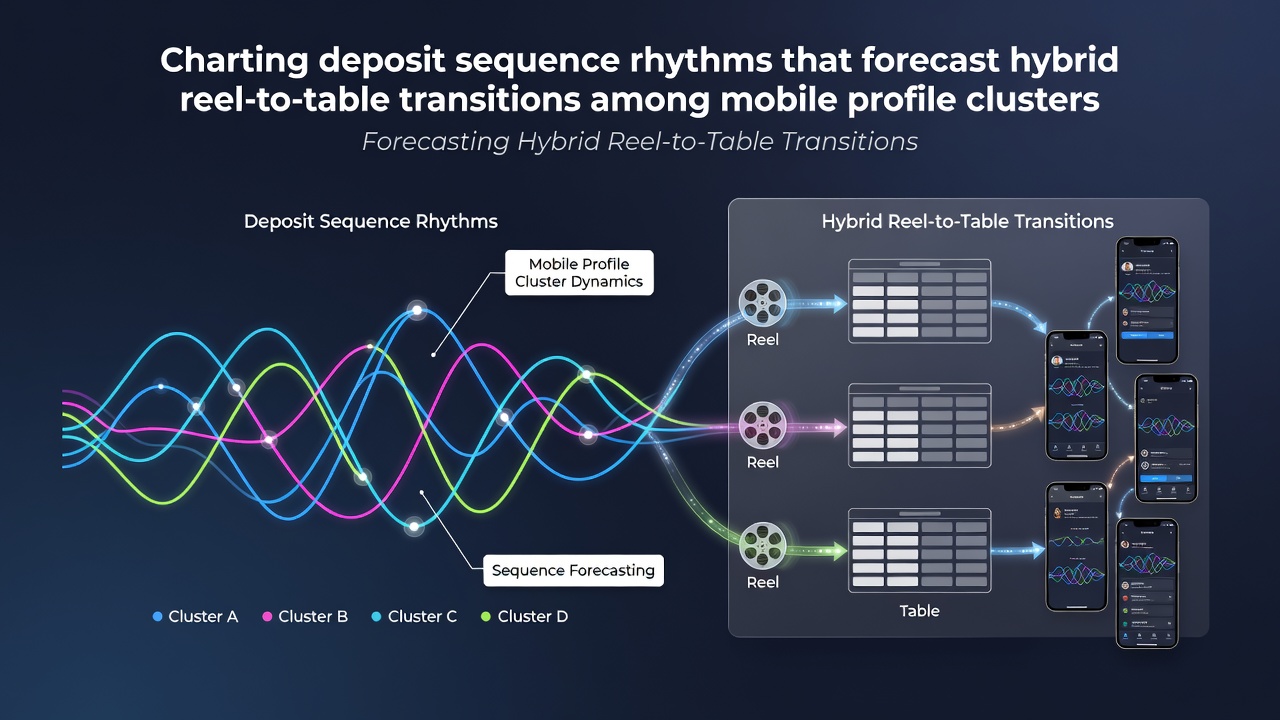
Charting Deposit Sequence Rhythms That Forecast Hybrid Reel-to-Table Transitions Among Mobile Profile Clusters
Analysts track sequences of deposits in mobile casino platforms to identify rhythms that signal shifts from reel-based slots to table games, and these patterns emerge most clearly when grouped by distinct user clusters. Data sets from regulated markets show that deposit timing, frequency, and amount variations often precede crossover activity, allowing operators to map behavioral indicators without relying on direct player surveys.
Deposit Rhythm Fundamentals
Deposit sequences unfold as players make repeated transactions over defined intervals, and researchers isolate elements such as spacing between deposits along with escalation or reduction in values. Clusters form when algorithms group accounts by shared traits including session length, preferred game categories, and response to bonus triggers, while patterns within those groups reveal predictable movements toward table formats. In August 2026 several platforms reported measurable upticks in deposit clustering ahead of documented reel-to-table migrations, confirming earlier models developed from 2024 and 2025 archives.
Profile Cluster Construction
Mobile profile clusters arise from segmentation that combines transaction history with engagement metrics, and experts apply machine learning to separate high-frequency reel users from those who maintain steady table preferences. One cluster might display short, repetitive deposits tied to progressive slot jackpots, whereas another shows larger, spaced deposits aligned with live dealer sessions. Studies indicate that hybrid transitions occur most often when reel-dominant clusters begin inserting mid-sized deposits during evening hours, a shift that precedes table game entries within 48 to 72 hours in many tracked accounts.
Forecasting Transition Points
Forecast models rely on rhythm detection to estimate when a cluster will attempt table games, and these projections draw from historical crossover rates across thousands of accounts. Observers note that certain sequences, such as three consecutive deposits increasing by 15 to 25 percent followed by a brief pause, correlate with elevated table game trial rates. Platforms integrate these signals into real-time dashboards so that reward timing can adjust automatically, matching incentives to the predicted transition window rather than applying blanket promotions.

Cross-platform data further refines accuracy, because mobile sessions often feed into desktop or tablet activity, and the same cluster identifiers persist across devices. Reports compiled by the Alcohol and Gaming Commission of Ontario document similar sequence patterns among Ontario users who migrate between slot and table environments, offering external validation for models built on U.S. market samples.
Regional Data Patterns in 2026
August 2026 figures from multiple jurisdictions illustrate how deposit rhythms vary by cluster density, and markets with higher mobile penetration show tighter correlations between sequence changes and table game adoption. Clusters labeled as transitional display deposit intervals that shorten from an average of 14 hours to under six hours immediately before crossover events, while stable reel clusters maintain longer gaps. Operators compare these metrics against baseline performance to isolate genuine signals from random fluctuation, and the resulting forecasts support inventory adjustments for table game availability during peak predicted windows.
Integration with Reward Systems
Operators feed rhythm forecasts into adaptive reward engines that time bonuses to coincide with anticipated transitions, and this approach replaces static schedules with dynamic triggers derived from deposit data. Clusters approaching table crossover receive tailored incentives such as matched deposits valid only on live dealer tables, while reel-focused clusters continue receiving slot-specific offers. Research conducted through the University of Nevada, Las Vegas gaming analytics program demonstrates that timing rewards to sequence-derived forecasts increases crossover completion rates compared with non-timed campaigns, though exact percentages vary by market and cluster composition.
Operational Adjustments
Staff at mobile casino providers review weekly rhythm reports to update cluster definitions and refine transition algorithms, and these updates incorporate new variables such as payment method shifts that sometimes accompany game-type changes. When deposit sequences indicate an impending move to tables, support teams can prepare live dealer capacity or adjust promotional calendars accordingly. The process remains iterative, because fresh data streams arrive daily and require recalibration to maintain predictive strength across evolving player bases.
Conclusion
Deposit sequence analysis supplies operators with measurable indicators for hybrid reel-to-table transitions within mobile profile clusters, and continued refinement of these models supports more precise resource allocation across regulated platforms. Data from August 2026 and prior periods confirm that rhythm detection, when applied consistently, yields actionable forecasts without requiring subjective interpretation of individual behavior.